Town itinerary
Museums and galleries of Zakopane
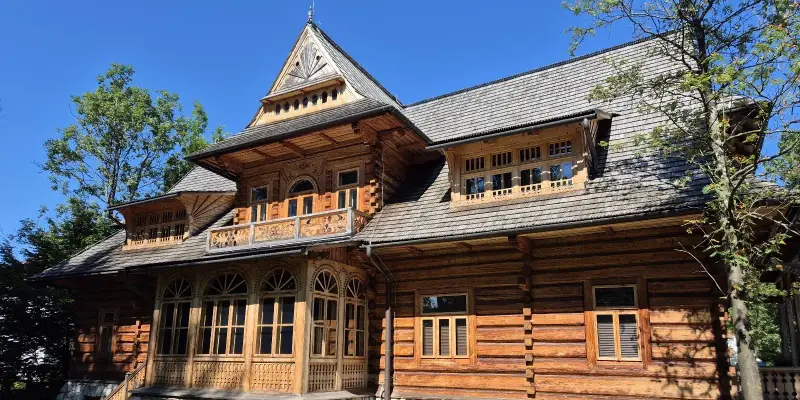
These five stops share a common thread: Stanisław Witkiewicz, who designed the main museum and one of the villas housing the collections. It is an indoor route, for anyone who wants to know Zakopane through its writers, composers and artists, and a good plan for a day of bad weather.
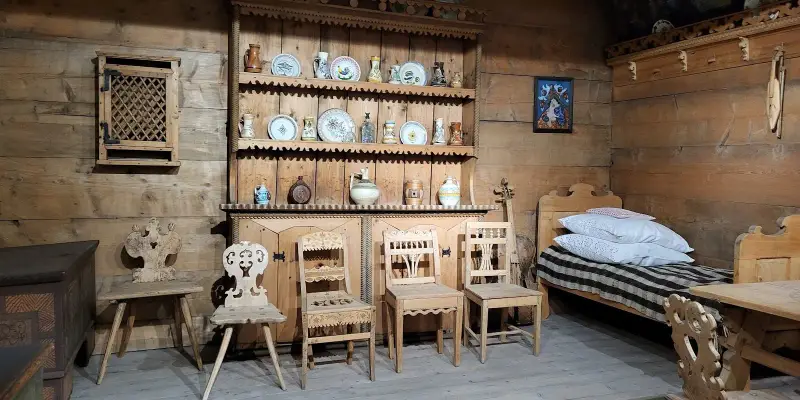
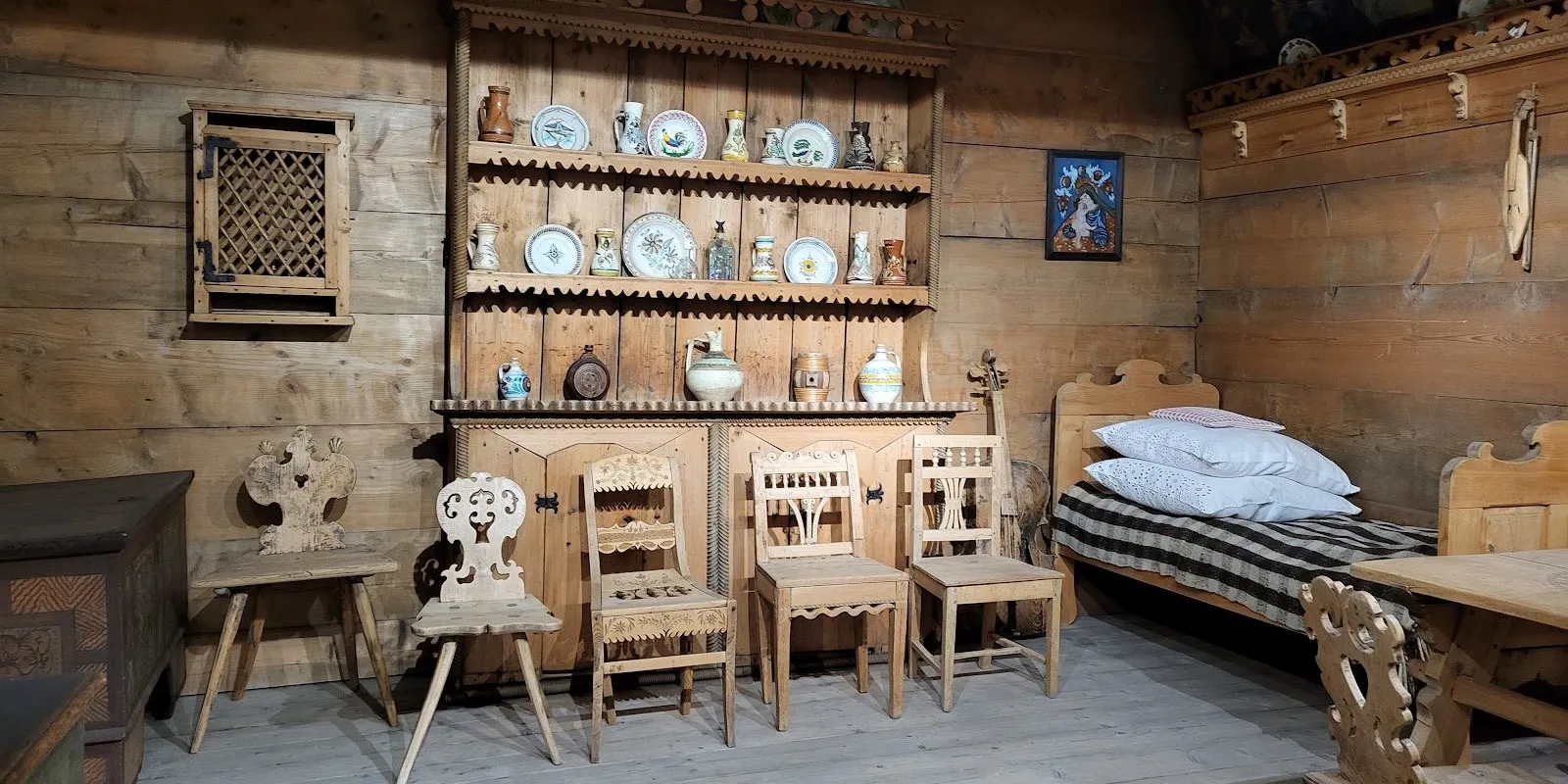
The Tatra Museum, named after Dr Tytus Chałubiński, has existed since 1889; the building on Krupówki, designed by Witkiewicz, went up between 1913 and 1924. It joins natural history with the ethnography of Podhale, Spisz and Orawa, and its library holds about 30,000 volumes of Tatra literature. It is also the hub of a network of branches, and at least two of the next stops belong to it.
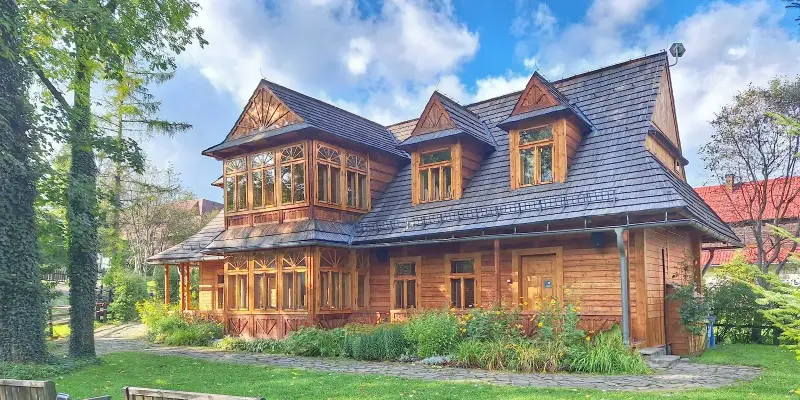
Villa Atma, built in 1895 as a boarding house in the Zakopane style, houses the museum of Karol Szymanowski, who rented it in 1930, already ill with tuberculosis. On the ground floor is the reconstruction of the composer’s study, where he wrote the Fourth Symphony and the second Violin Concerto; a room with the piano hosts small concerts. Since 1976 it has been a museum, a branch of the National Museum in Kraków.
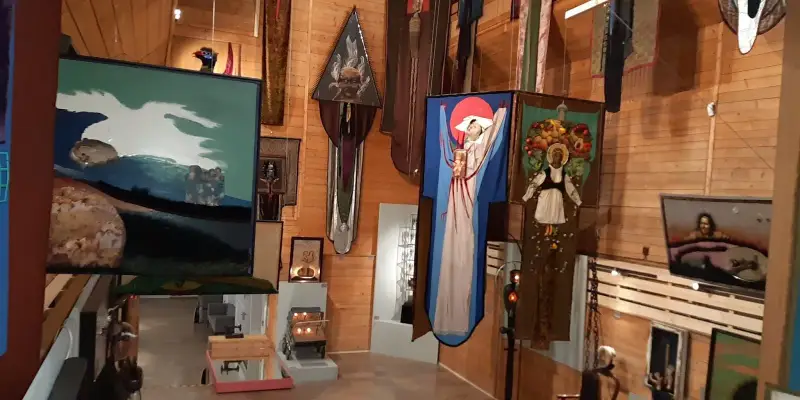
The Władysław Hasior Gallery occupies the former rest terrace of the Warszawianka sanatorium, built in 1935. The works were moved there in December 1984 from the artist’s studio and the gallery opened in 1985: banners, spatial compositions and sculptures, many made from everyday objects and scrap, almost visual poems by an artist who also worked with fire, water and sound.
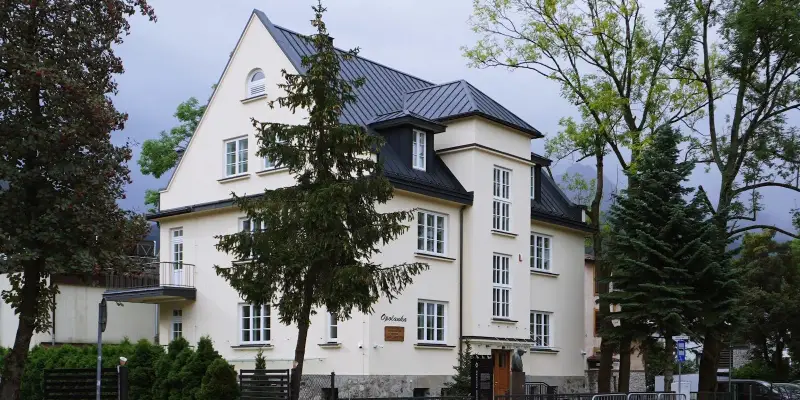
Opolanka is the villa where Kornel Makuszyński and his wife spent many holidays from 1934. The museum, opened in 1966 thanks to a donation from his widow, shows manuscripts, letters, photographs and sketches for illustrations, together with paintings and sculptures by Julian Fałat, Władysław Skoczylas, Stanisław Wyspiański and Henryk Kuna. It is one of the branches of the Tatra Museum.
The Twentieth-Century Art Gallery in Villa Oksza ends the circuit. Witkiewicz designed the house in 1894, his third villa in the Zakopane style. Since 2011, after a restoration in 2010, it has housed artists active between 1880 and 1939 in Zakopane or inspired by the Tatras: Witkacy, Rafał Malczewski, Leon Wyczółkowski, Zofia Stryjeńska, among decorated beam ceilings and carved frames.
Good to know before you go
- The five venues are quite different: decide the order according to the parts of town you want to cross.
- Some rooms, such as the piano room in Villa Atma, host small concerts: ask beforehand if that interests you.
- In the historic villas the interiors are original and delicate: take your time.