The villa where a composer looked for quiet
When Karol Szymanowski moved into the villa on Kasprusie street in 1930, he was already ill with tuberculosis and called it "a small, humble mountaineer's cottage". That house, Villa Atma, is now the world's only biographical museum of the composer, and there is more of Podhale inside it than its Sanskrit name suggests.
A Zakopane guesthouse that became a home
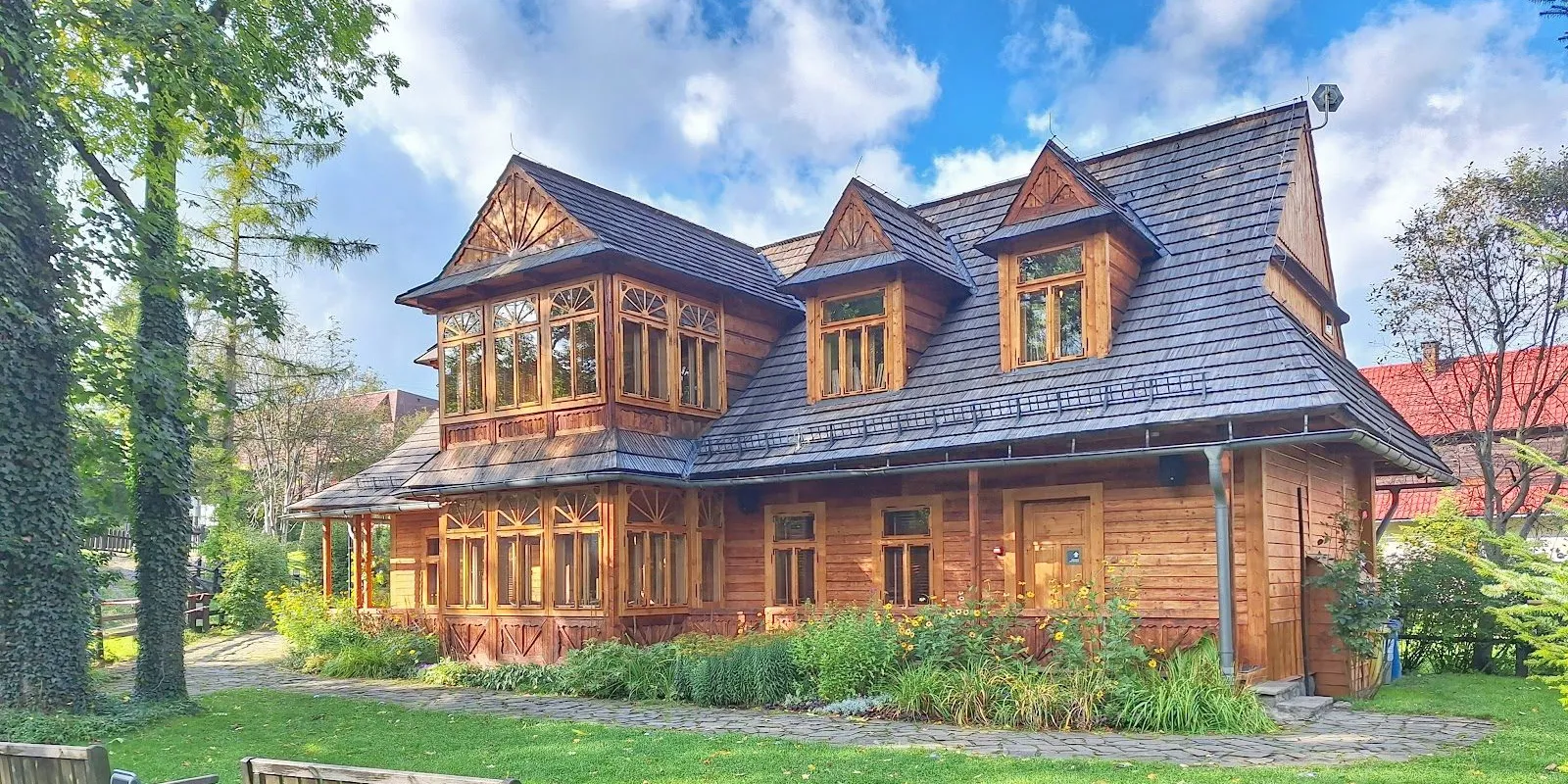
The villa was built in 1895 as a guesthouse for summer visitors in the Zakopane Style, by Józef Kaspruś-Stoch according to the National Museum in Kraków; it began as a one-storey highlander house. In 1926 the attic rooms were added, with the dormer windows that give it its present look. The name Atma, from the Sanskrit for "soul", appeared in the 1920s and is said to come from the guests of the time. Szymanowski rented it for several years, until the middle of the following decade; illness then took him to a sanatorium in Lausanne, where he died on 29 March 1937. He is buried in the Crypt of the Meritorious at Skałka in Kraków.
The music that grew inside these walls
Here Szymanowski listened to the band of Bartuś Obrochta, the fiddler who opened Podhale music to him: he called it primeval, suggestive, "prehistoric", and refused to reduce it to folkloric quotation. The best-known result is Harnasie, a ballet-pantomime about mountain brigands; the story turns on the abduction of a bride from her wedding by the band's leader, Harnaś. Begun in 1923 and finished in 1931, it was first staged in Prague in May 1935; Serge Lifar's production at the Paris Opéra, on 27 April 1936, was a great success less than a year before the composer's death. The ballet is built on the rhythms and sounds of the highland musicians Szymanowski had heard in person.
The villa is also tied to the Fourth Symphony (the "Symphonie concertante" for piano and orchestra, dedicated to Artur Rubinstein), the second Violin Concerto and parts of the Litany to the Virgin Mary.
How the house became a museum
For decades after the composer's death the house stayed in private hands. It was bought in 1972 through a fundraising campaign led by the writer Jerzy Waldorff and the "Atma" committee, and entrusted to the National Museum in Kraków, of which it is a branch. The museum opened on 6 March 1976, with furnishings, mementos and documents brought together to recreate the setting in which the composer lived and worked in his last years in Zakopane.
What you see, and how to visit
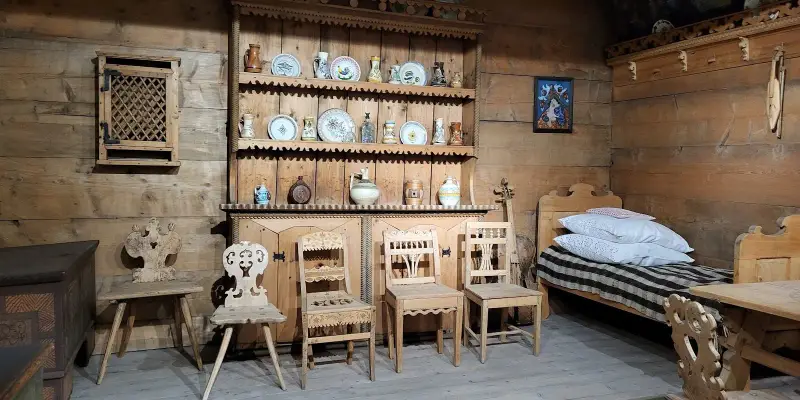
On the ground floor the display recreates the interiors of the 1930s, with the composer's study, his personal belongings and a portrait of Szymanowski by Witkacy. A room with a piano hosts small concerts, and upstairs are the library and archive devoted to him. It is a compact museum, visited unhurriedly in a short time, and it gives most to those who have first heard at least Harnasie or the Fourth Symphony: the rooms make sense with the music in your ears. For concerts, check the museum's programme. The Tatra Museum on Krupówki is close by and pairs well in the same morning.
Where it is
Tours and activities
-
 From €27 per person
Zakopane
Zakopane: Ski Lesson on Gubałówka Hill for beginners
★ 4.9 (87 reviews) · Free cancellation
Duration: 1 h
Guide in:
See availability Details


-
 From €22 per person
Zakopane
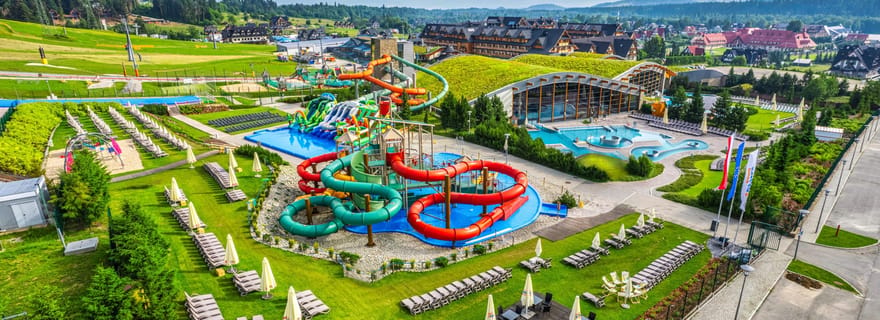
Terma Bania Aquapark Tickets in Białka Tatrzańska
★ 4.6 (132 reviews) · Free cancellation
Duration: 3h30
See availability Details -
 From €5 per person
Zakopane
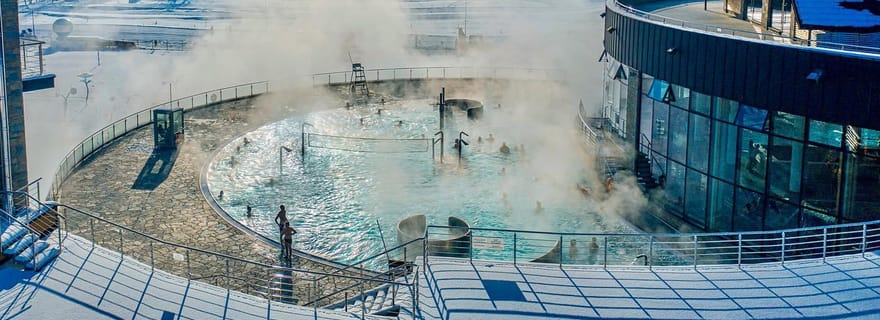
Chochołowskie Thermal Baths Entry with a Personal Host
★ 4.5 (116 reviews) · Free cancellation
Duration: 3–10 h
Guide in:
See availability Details

-
 From €81 per person
Zakopane
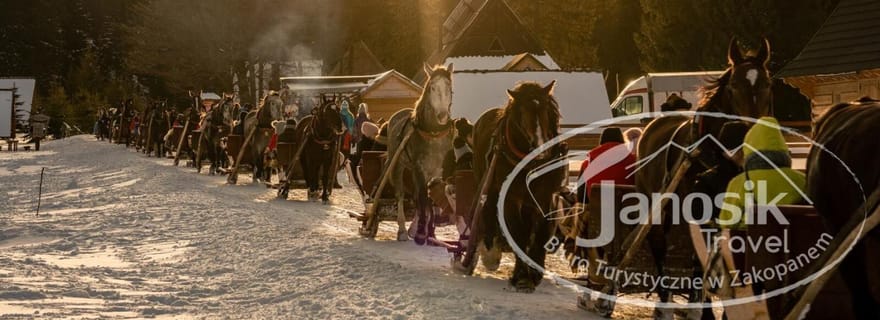
Zakopane: Chochołowska Valley Sleigh Ride with Bonfire
★ 4.4 (58 reviews) · Free cancellation
Duration: 3 h · Hotel pick-up
Guide in:
See availability Details