The villa of a writer's holidays
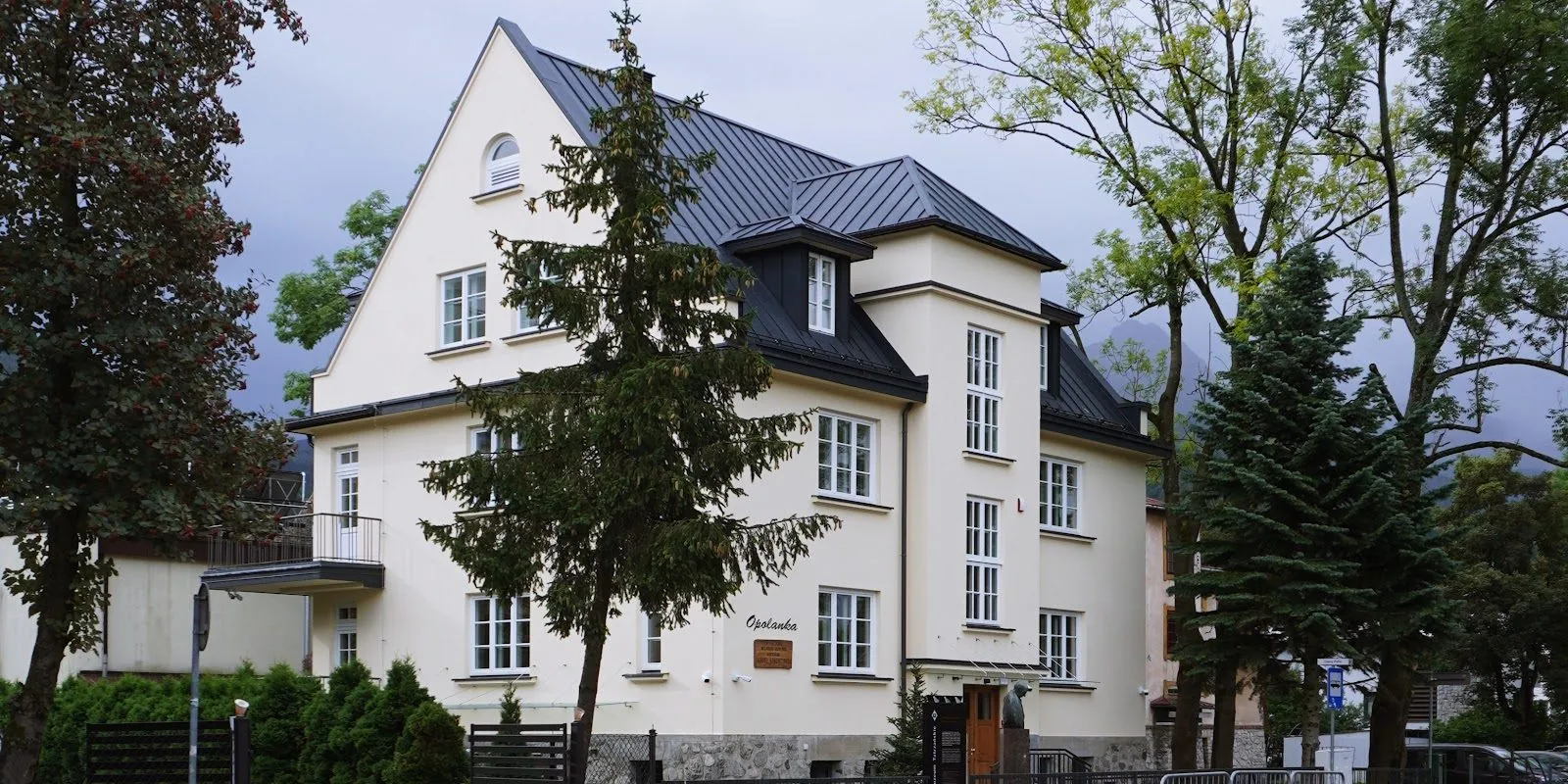
In front of the Opolanka villa stands a monument to Kornel Makuszyński with his best-loved character beside him, Koziołek Matołek, the little billy goat who sets off in search of Pacanów, where goats are said to be shod. It was unveiled in 1955, two years after the writer's death, and it tells you at once that this is the home of a children's author as much as of a literary chronicler of Zakopane.
From holidays to a permanent home
Makuszyński (1884–1953) and his wife began spending holidays at Opolanka in 1934. After the war they settled here for good, and the writer died in Zakopane. The museum was founded in 1966 from the collections donated to the public by his widow, Janina Gluzińska-Makuszyńska; it is the town's second biographical and literary museum, after the Kasprowicz one, to which Makuszyński was tied: he sat among the poet's friends on the committee that had the Harenda mausoleum built. Today the villa is a branch of the Tatra Museum.
The address is ul. Kazimierza Przerwy-Tetmajera 15: the street is named after a poet of Young Poland who lived and wrote in Zakopane, which already places it in the literary heart of the town.
Two rooms to understand the author and his age
The tour revolves around two themed rooms: “The Life and Work of Kornel Makuszyński” and “Literary Zakopane”. The first follows the writer through manuscripts, letters from readers and prominent figures, press clippings, photographs and design sketches for the illustrations of his books. The second widens the view to the Zakopane of writers, the place where poets, painters and travellers met between the 19th and 20th centuries.
His works include “Koziołek Matołek” (1933), which began as an illustrated tale for children with drawings by Marian Walentynowicz, and “Szatan z siódmej klasy” (1937), his best-known novel for young readers, adapted several times for cinema and television. Knowing who the author was makes the visit more interesting even for those who have read nothing: in Poland his books have been childhood reading for generations.
Furniture, paintings and the feel of a home
The rooms are not just exhibition space: they keep antique furniture, textiles, porcelain, glass, lamps and clocks, the kind of furnishing collectors of the time kept in their drawing rooms. On the walls and in the rooms are paintings and sculptures by major artists: Julian Fałat (1853–1929), a watercolourist of winter landscapes, Władysław Skoczylas (1883–1934), a woodcut artist who portrayed the highlanders, Stanisław Wyspiański (1869–1907), painter and playwright, and Henryk Kuna (1879–1945), a sculptor. The library gathers the writer's books and literature about him, and the archive keeps clippings and photographs.
The mix of a literary museum and an art collection makes the stop less stiff than you might expect.
Fitting it into a visit to Zakopane
It is a short visit, suited to those looking for another face of the town beyond the trails and Krupówki. It works well paired with the Jan Kasprowicz Museum at Harenda: one is the home of a poet who came here in his last years, the other that of a storyteller who made Zakopane his residence. For families with children, the goat is a familiar figure to Poles, but a foreign visitor will need the captions to follow the texts. Being a historic villa, the visit takes place in modest-sized rooms, calmly and in small groups; it is a good idea for days when the weather in the Tatras suggests staying in town.
Where it is
Tours and activities
-
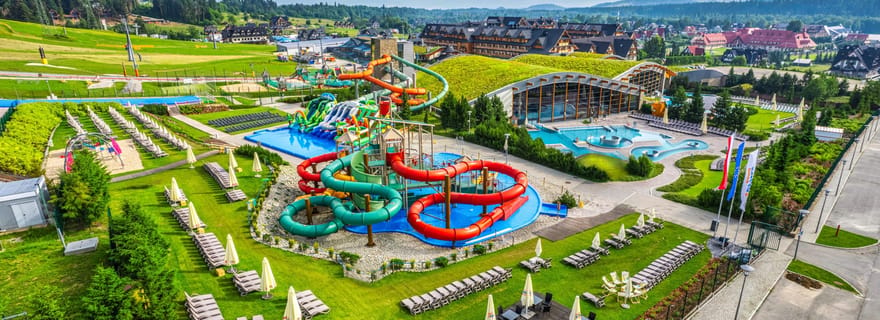 From €22 per person
Zakopane
Terma Bania Aquapark Tickets in Białka Tatrzańska
★ 4.6 (132 reviews) · Free cancellation
Duration: 3h30
See availability Details -
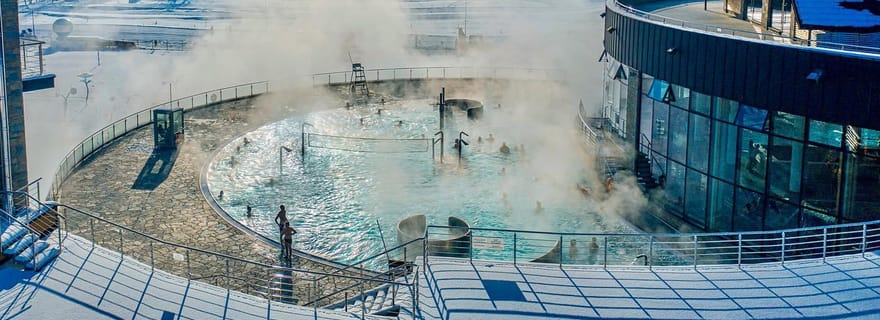 From €5 per person
Zakopane
Chochołowskie Thermal Baths Entry with a Personal Host
★ 4.5 (116 reviews) · Free cancellation
Duration: 3–10 h
Guide in:
See availability Details



-
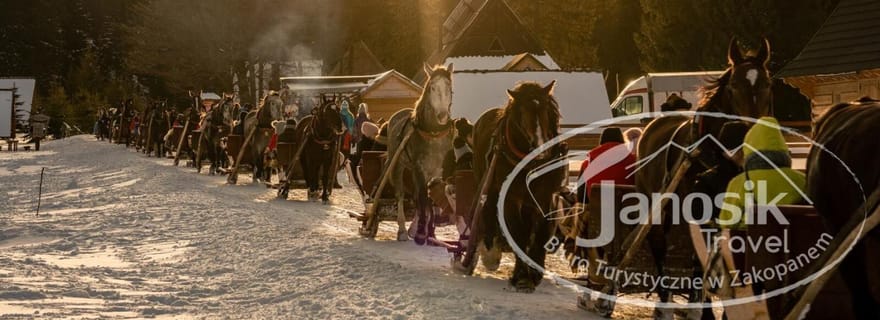 From €81 per person
Zakopane
Zakopane: Chochołowska Valley Sleigh Ride with Bonfire
★ 4.4 (58 reviews) · Free cancellation
Duration: 3 h · Hotel pick-up
Guide in:
See availability Details -
 ★ Top rated
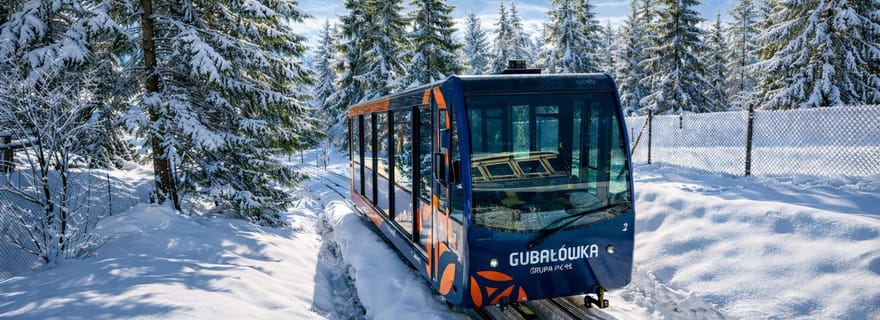
From €18 per person
Zakopane
Zakopane and the Tatra Mountains Day Trip from Kraków
★ 4.7 (371 reviews) · Free cancellation
Duration: 5–9 h · Hotel pick-up
Guide in:
See availability Details