The municipal boundary of Zakopane is one of the oddest in Europe: it starts on the valley floor, between 750 and 900 metres, and climbs all the way to the summit of Świnica, which at 2,301 metres still lies within the town limits. It means that someone asleep in a guesthouse bed and someone scrambling along a granite ridge are, technically, in the same municipality. That is the first thing to know to understand why visitors' questions about Zakopane are so varied: some ask where to eat, others ask whether the summit is open.
A wooden town with a spa-resort past
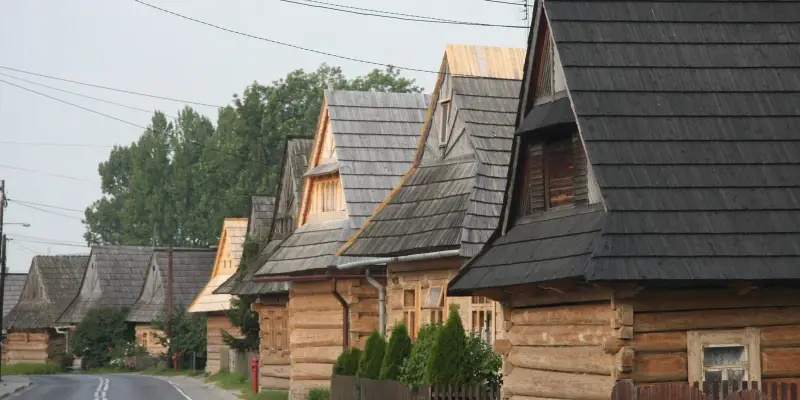
Zakopane did not begin as a tourist destination. In 1676 the village had just 43 inhabitants; then came the Kuźnice ironworks, and in the nineteenth century the doctor Tytus Chałubiński began promoting its climate. During the nineteenth century it became a health resort. Style did the rest: the architect Stanisław Witkiewicz turned highlander art into an architectural language, the zakopiański style, with steep roofs, exposed beams and carved wood. Villa Koliba, from 1892-93, is its first example. The train from Chabówka arrived on 1 October 1899, and from there the town took the shape you see today.
Krupówki: pass through, but do not build the trip around it
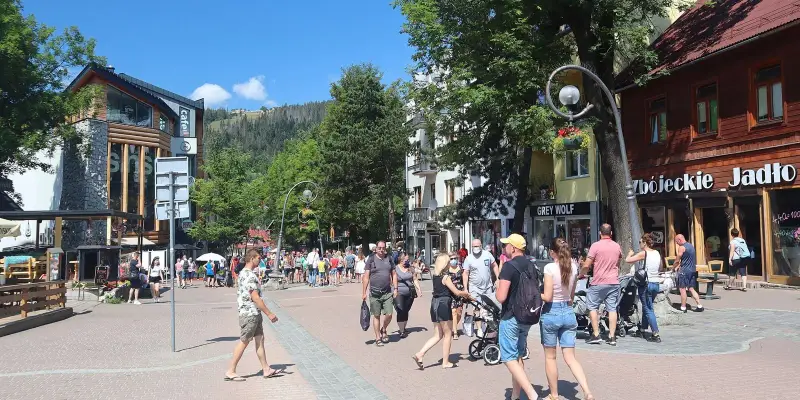
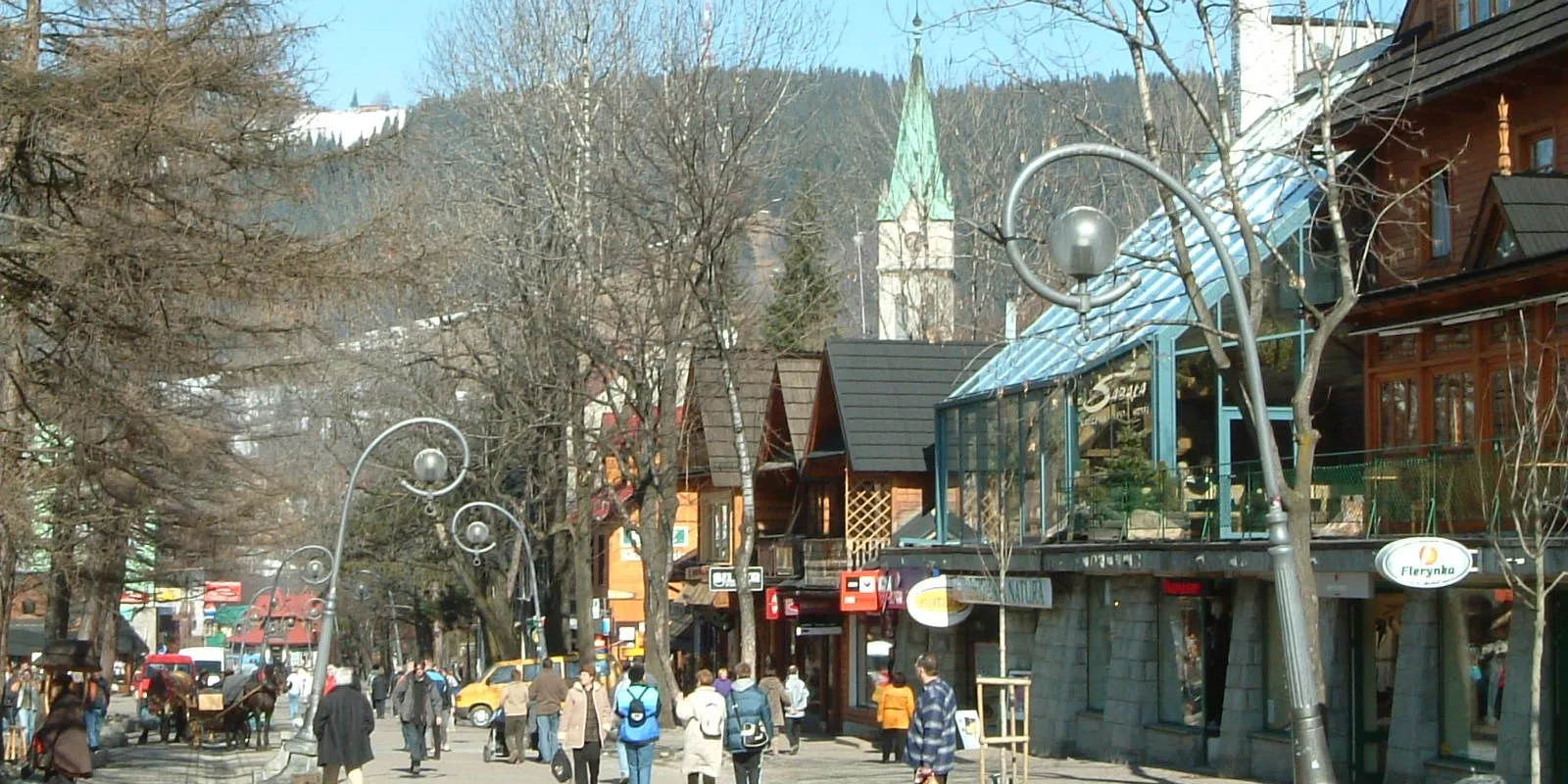
The heart of town is Krupówki, a pedestrian street climbing for just over a kilometre, and its crossing with Kościuszki street is regarded as the centre of Zakopane. Tilted street lamps shaped like shepherd's crooks, paving of basalt, granite and red concrete, shops, restaurants, horse-drawn carriages and, in the background, Gubałówka and Giewont. It deserves a stroll, but with realism: in peak periods it is very crowded and commercial. The best time is first thing in the morning or in the evening, and the side streets hide more interesting villas than the main drag.
Morskie Oko: the place everyone wants
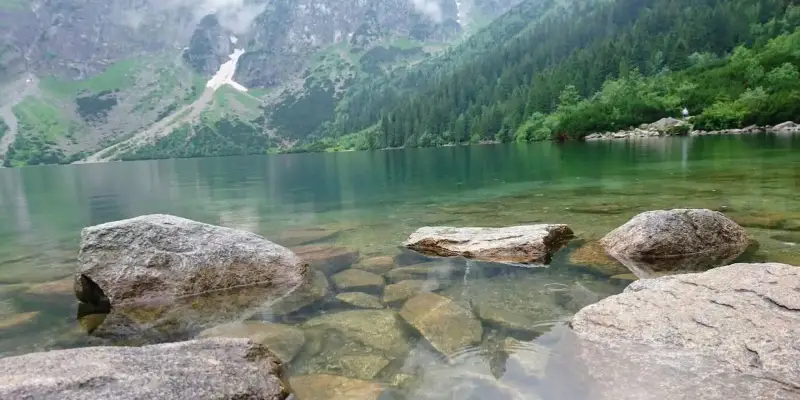
If you had to choose a single destination, almost everyone would choose Morskie Oko, the glacial lake at the foot of the Mięguszowieckie peaks. Highlanders also called it Biały Staw or Rybie Jezioro, and it remains one of the few Tatra lakes with naturally occurring fish: trout. You reach it along about 8.5 kilometres of asphalt road from Palenica Białczańska, closed to private cars: on foot you follow the red trail. Circling the lake takes about 50 minutes, and on the moraine stands the hut named after Stanisław Staszic, one of the best known in the Tatras.
The honest warning is that on fine days the lake is very busy. Starting early is the only real strategy: early arrivals find silence and low light, mid-morning arrivals find a queue.
The mountains: find out before, not after
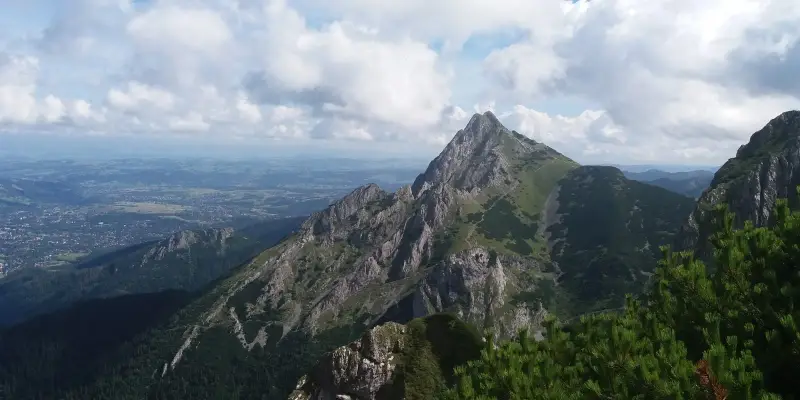
Above the town another story begins. Kasprowy Wierch, at 1,987 metres, stands on the main ridge, a stone's throw from the border with Slovakia; you reach it by the cable car built in 1935-36 or on foot from Kuźnice. But weather at altitude changes quickly, and no trail is ever guaranteed open or easy: conditions depend on season, snow and weather. The rule is to ask locally, set out with warm, windproof layers even in summer, and turn back without shame if the sky closes in.
Visitors in winter find a different town: snow, skiing, the Wielka Krokiew ski jump, built in 1925, and softer light. Visitors between spring and autumn find valleys, lakes and trails. Either way the town does not hibernate.
The small details that decide the trip
After the big names come the practical matters: money, language, dogs, children, food, emergencies. They seem secondary, but they are the ones that, if neglected, spoil an otherwise successful trip. One rule sums them up: plan little and leave margin. A spare day for bad weather is worth more than a packed schedule, and a quiet evening in a wooden guesthouse, with the mountains darkening beyond the window, is often the best memory. The answers below clear up the concrete doubts before departure; the Tatras do the rest.
Frequently asked questions
How many days do you need in Zakopane?
Three days is the best balance: one for the town and surroundings, one for the mountains and one spare for the weather. Two days covers the essentials; five or more lets you add valleys, villages and thermal baths without rushing.
What is the best time of year to go?
It depends on your aim. Summer and early autumn are best for high trails, winter for skiing and snow, spring and late autumn for fewer crowds but less stable weather. Peak summer and winter holidays are the busiest.
How do you get to Zakopane?
There is no airport: you fly to Kraków and continue by bus, train or car. Buses are usually the most direct option, while a car is convenient but the main road gets congested at weekends and in holiday periods.
What can you do in Zakopane when it rains?
Visit one of the museums, such as the Tatra Museum on Krupówki, or go to the thermal baths, where the water is warm even in bad weather. Another good choice is the village of Chochołów with its museum, fine under cloud.
Is Zakopane suitable for children?
Yes, it offers easy walks, horse-drawn carriages, thermal baths with slides and, in winter, skiing and sleighs. High-altitude trails are not advised for the youngest. Choose short routes and ask locally about conditions before setting out.
What is the typical food?
The emblem is oscypek, a smoked sheep's-milk cheese, often served grilled. Among hot dishes there is kwaśnica, a sauerkraut soup. They are specialities of the górale, the mountain people of Podhale.
Can you swim in the Tatra lakes?
No, swimming in lakes and streams is forbidden in the national park, Morskie Oko included. For a swim there are the thermal baths, which use hot water of deep origin and let you swim outdoors all year round.
Can I bring my dog?
In town yes, but in the national park dogs are generally banned, with a few exceptions on a lead such as the Droga pod Reglami and the floor of the Chochołowska valley. Check beforehand and plan hikes accordingly.
Do people speak English?
In tourist areas, venues and accommodation English is common, especially among younger people. A few words of Polish, such as dzień dobry for good day and dziękuję for thank you, are always appreciated and make a good impression.
What currency is used?
Poland uses the złoty, not the euro. Cards are accepted almost everywhere, but for small purchases, stalls and huts it is wise to carry some cash. Better to exchange only small amounts in advance.
Does altitude sickness affect you in Zakopane?
Generally not, since the town lies a little above 800 metres. At Kasprowy Wierch, nearly 2,000 metres, some people feel tired or get a headache, but serious symptoms are rare at these heights. Go up slowly and drink water.
Who do I call in a mountain emergency?
The number valid across the European Union is 112, and the Polish mountain rescue is TOPR, reachable on 985. Give your location and, if you can, stay where you are while help arrives.