Zakopane receives more than a metre of precipitation a year, with the wettest month in the middle of summer, so a rainy day is not bad luck here, it is part of the deal. Cloud sits on the ridges, the Tatras vanish, and visitors who came for postcard views face a choice: sulk by the window or discover what the town does well when the mountains disappear. The answer is a mix of museums, hot water and a lot of sitting down in wooden rooms.
A museum that explains the mountains indoors
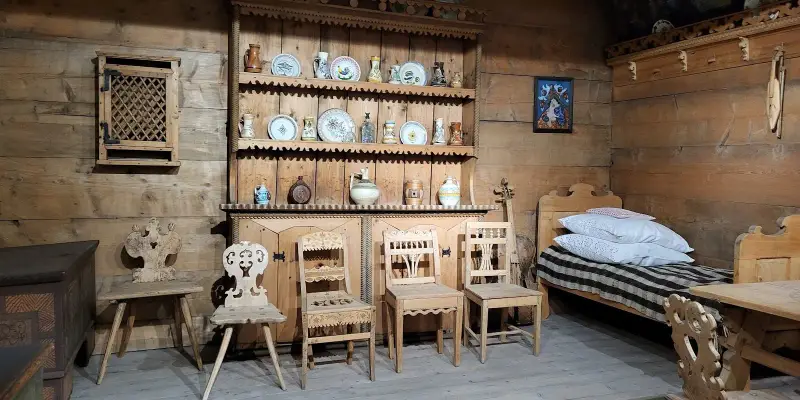
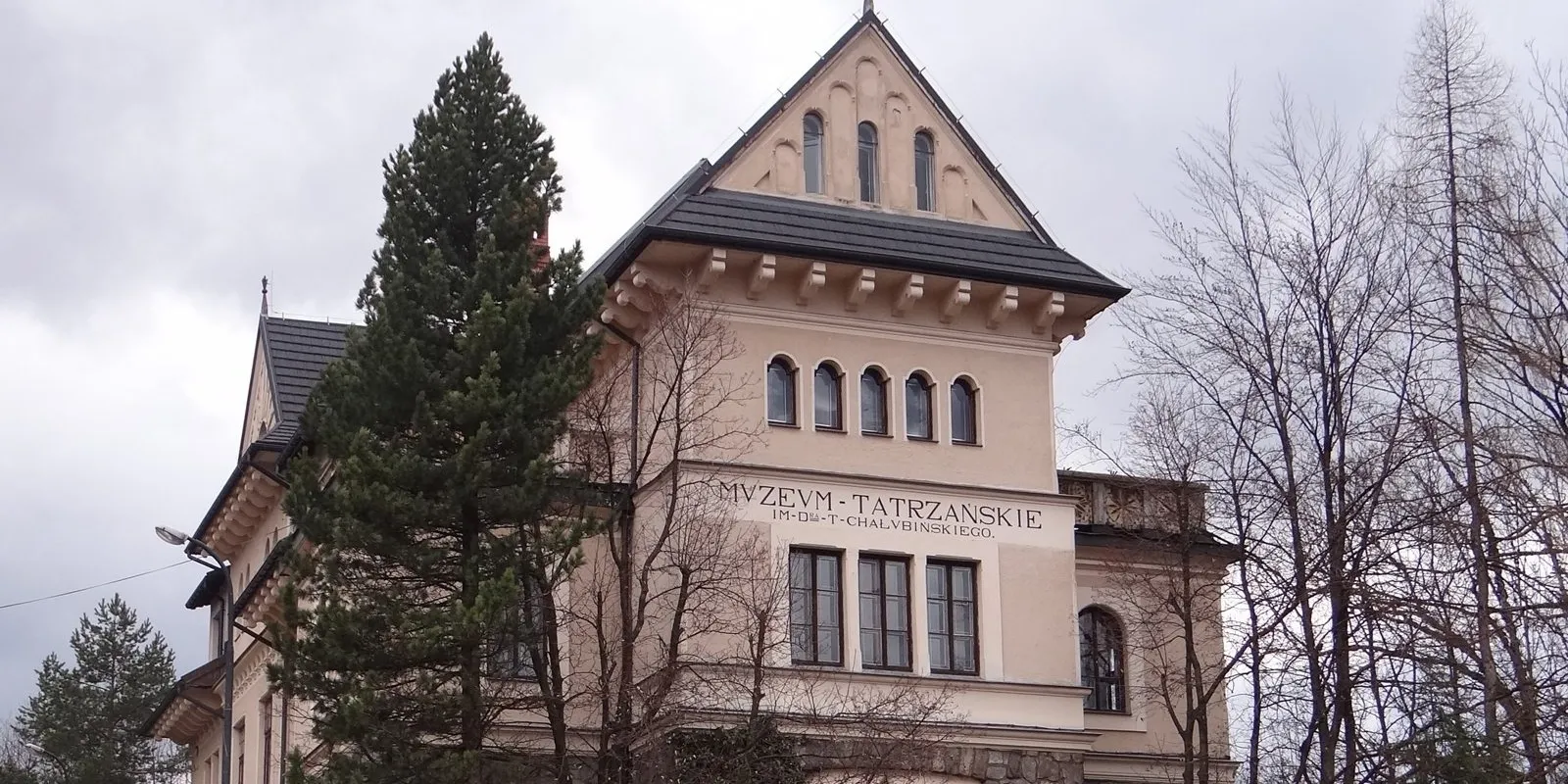
Start with the Tatra Museum on Krupówki. It dates from 1889, founded by the Tatra Society and named after Dr Tytus Chałubiński, but it only got its permanent home between 1913 and 1924, in a building designed by Stanisław Witkiewicz, the man behind the Zakopane Style. Inside, the range is wide: rocks and minerals, the plant life of the vegetation zones, birds and mammals, and then the everyday objects of the highlanders of Podhale, Spisz and Orava. One section even features a full house built in the Zakopane Style.
A practical tip: go early, before tour groups arrive, and give it the time it deserves. It is the best place to understand that the steep roofs and carved beams you will see on your way out are not decorative folklore but a culture built against the cold, and the street outside becomes easier to read afterwards.
The thermal baths, with Giewont peeking through
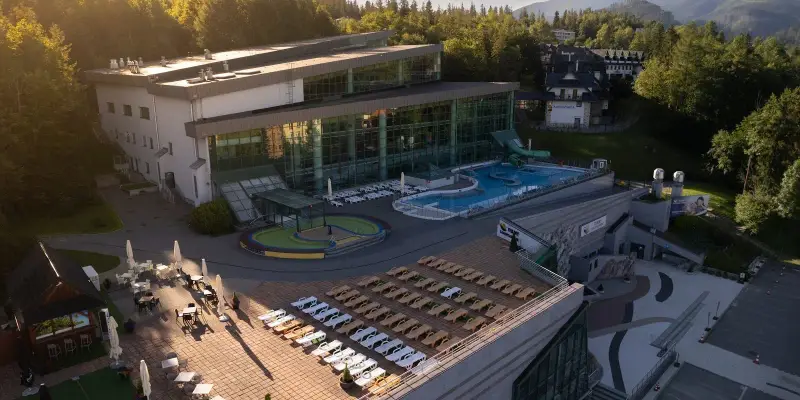
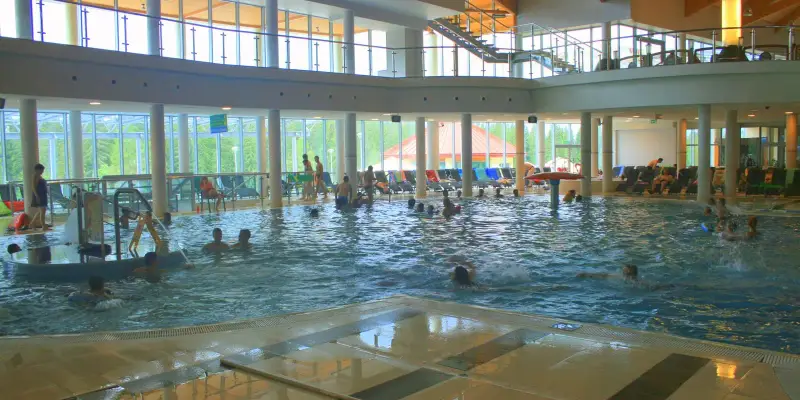
When the rain is warm and steady, the obvious answer is hot water. Termy Zakopiańskie is the town's thermal complex: pools of thermal water, hydromassage, water features and, on days when the cloud lifts, a view up to Giewont from the pools. Besides the pools there is a sauna zone, a salt grotto, a gym, a bowling alley and a restaurant, so you can spend an entire afternoon under one roof without getting bored.
One honest warning: on a day of general bad weather the baths fill up, because the whole town has had the same idea. Arrive early or, better, late in the afternoon when the first crowd leaves. Pack a spare towel and a bag for wet clothes; a damp swimsuit is the least welcome travelling companion on the way back.
A house that stands on its roof
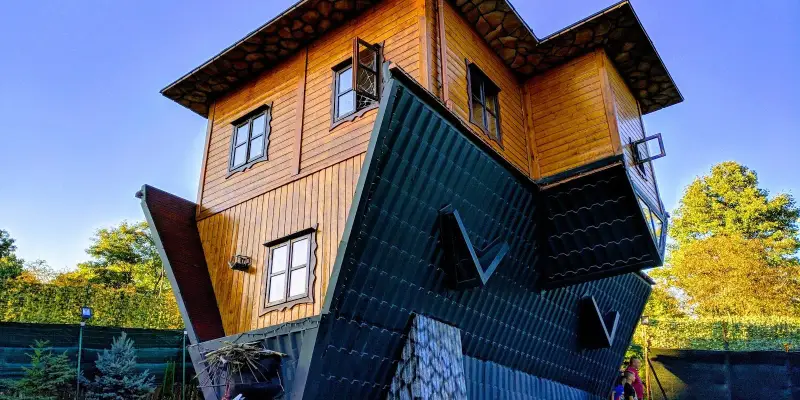
For families, or anyone who enjoys a harmless oddity, there is Dom do góry nogami, the upside-down house. It is built balanced on its roof and tilted, so the furniture seems to hang from the floor and the stairs lead straight to the ground floor. It plays with perception, and a long stay inside can bring on a touch of dizziness. Think of it as a thirty-minute stop, not a half-day plan: it slots in between two bigger things. It works well in the rain because everything is indoors, and it makes sceptical adults laugh too.
Cafés, cake and Krupówki under an umbrella
After the sights comes the thing Zakopane does best in poor weather: sitting down. Along Krupówki and in the side streets there are timber-clad cafés, tea rooms and restaurants with fireplaces, where the ritual is a thick hot chocolate or a raspberry tea while you wait for the downpour to ease. The pedestrian street has a different character in the wet: fewer people, lights on early, shop windows reflecting on the basalt and granite paving. A quick dash from shelter to shelter, pausing where Gubałówka and Giewont show through the cloud, is almost as good as a hike.
There is no need to force a schedule. Alternate an activity with a pause: museum, hot lunch, spa, cake. A day built like that never feels like a consolation prize.
When it is actually worth heading out on a trail
Rain does not always rule out a walk, but it demands respect. With low cloud and wet ground, high mountain routes are the wrong choice: rock turns slippery, visibility drops and conditions can change fast. Valley-floor forest walks are another matter, and an hour among dripping spruces has a charm that sunshine cannot offer. Ask locally about forecasts and trail conditions before setting out, and in an emergency call 112 or the Polish mountain rescue, TOPR.
Better still, check the forecast the night before. Rain often leaves a window of a few hours in the morning or after dinner, and that is the slice of the day to spend outdoors, leaving the indoor places for the rest.
Putting the day together
If you have only one wet day, an order that works is museum in the morning, lunch somewhere with a stove, spa in the afternoon, and the upside-down house as a filler if time allows. With two rainy days, push the museum to the second and fill the first with the baths and a long stay in the tea rooms. With small children, reverse it: the house on its roof first, hot water after.
The truth is that a rainy day in Zakopane is not a lost day. It is the chance to see the side of town that no postcard captures: warm rooms, timber, carved details and a mountain culture that learned long ago how to live with bad weather. The next morning, with the peaks rinsed clean and the air washed, the view from the trail will feel all the more earned.
Frequently asked questions
What can children do in Zakopane when it rains?
The upside-down house, Dom do góry nogami, and the thermal pools with water features work best for children. The Tatra Museum suits older kids, especially the full house in the Zakopane Style. Alternate an indoor activity with a warm break so nobody gets tired.
Can you hike in the Tatras in the rain?
High routes are best avoided in rain and low cloud, because wet rock and poor visibility raise the risks. Forest walks on the valley floor are a better choice. Always check conditions locally, as they can change quickly.
Which months are the rainiest in Zakopane?
Precipitation peaks in midsummer, in June and July, within an annual total of well over a thousand millimetres. That means a wet-weather plan is useful even on a summer holiday. Mornings are often drier than afternoons, so start hikes early.
What should I pack for wet weather in Zakopane?
A waterproof shell with a hood, shoes with a sturdy sole and a spare pair of socks cover most situations. Add a swimsuit for the baths and a bag for wet clothes. An umbrella helps in town but is less useful on windy trails.