Highland cooking in Podhale was made to warm people coming back from the forest or the pasture, and you can taste it: potatoes, sauerkraut, pork, sheep cheese, portions that leave no doubt. In Zakopane górale cuisine is served in rooms with exposed beams, wooden benches and often live music, and it pays to arrive hungry and curious enough to order something you cannot get at home. Here are the dishes worth choosing, with a few warnings so you do not order at random.
Kwaśnica, the soup that divides people
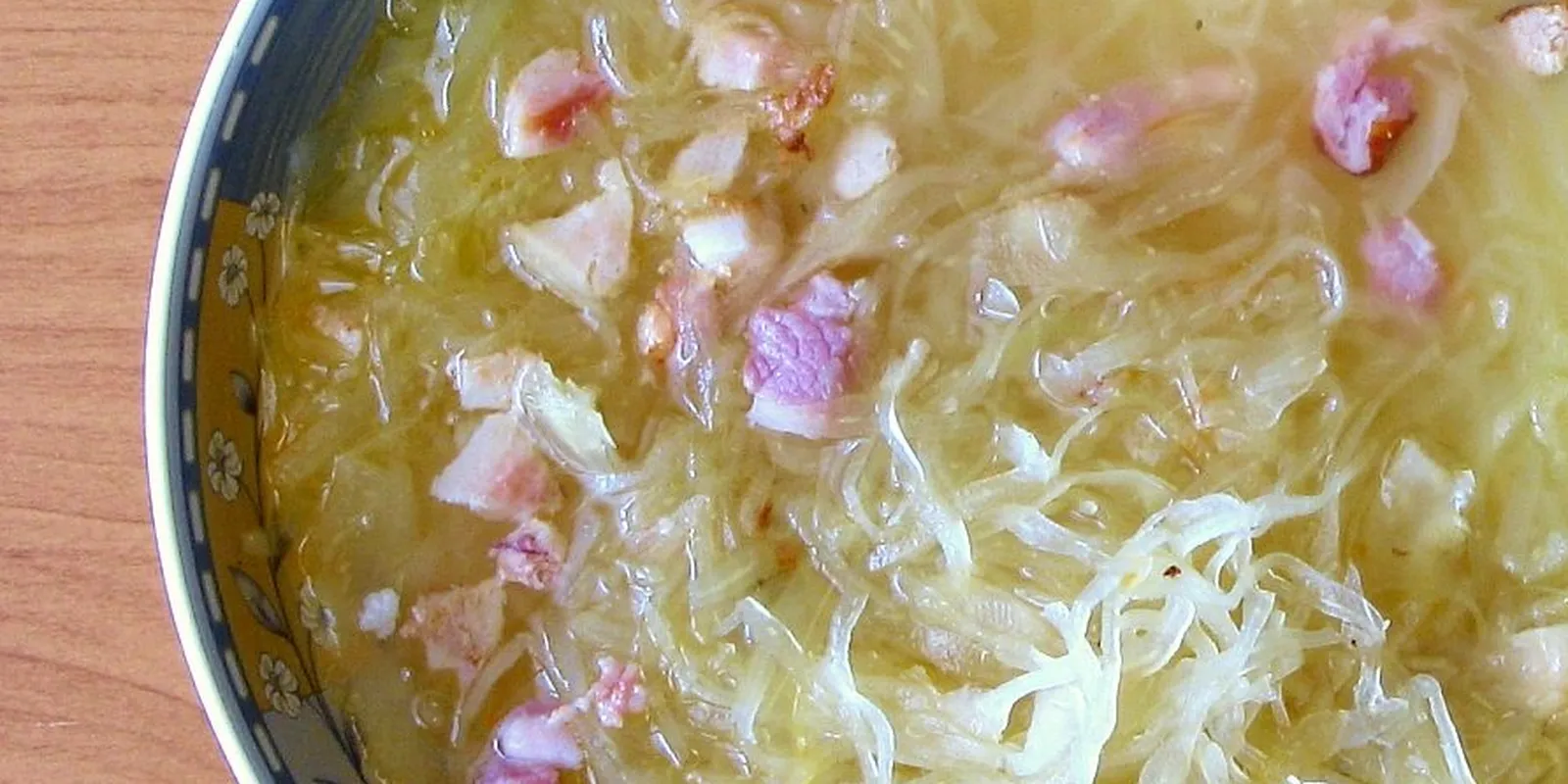
If you try only one thing, make it kwaśnica: a sauerkraut soup, usually with ribs or smoked pork, tangy and deep. First-timers either love it at once or find it too sharp, but a spoonful is worth it either way. It is ideal on a cold day, after coming down from a trail, and it normally arrives in a generous bowl that works as a meal with a bit of bread.
A more familiar option for anyone who dislikes sour flavours is żurek, a fermented rye soup often served with egg and sausage: less sharp, rounder, and found all over Poland. Both help you read the country's taste, but kwaśnica has the closer tie to the mountains.
Moskole and placek po zbójnicku: potatoes in every form
Potatoes are a staple of the Podhale table, and two dishes tell the story well. Moskole are thin flatbreads cooked on a griddle, traditionally made with barley or oat flour and today often with potato as well, served warm with garlic butter, cheese or other toppings: simple, moreish and perfect for sharing. Placek po zbójnicku (“in the brigand's style”) is a potato pancake as big as the plate, topped with or folded around a meat goulash with paprika, often with sour cream. It is heavy, almost a bet with yourself: one portion is enough for two people with normal appetites.
If you want something lighter, share one between two, add a soup, and keep room for dessert. The most common mistake is ordering everything at once out of curiosity and ending up with a table that cannot hold it all.
Pierogi, bryndza and sheep cheese
Pierogi are Polish dumplings, and they come in many versions: the “ruskie” are filled with potato and fresh cheese, often topped with fried onion; others are stuffed with cabbage and mushrooms, with meat, or with berries in season. They are a safe choice for families or anyone who does not want a demanding dish.
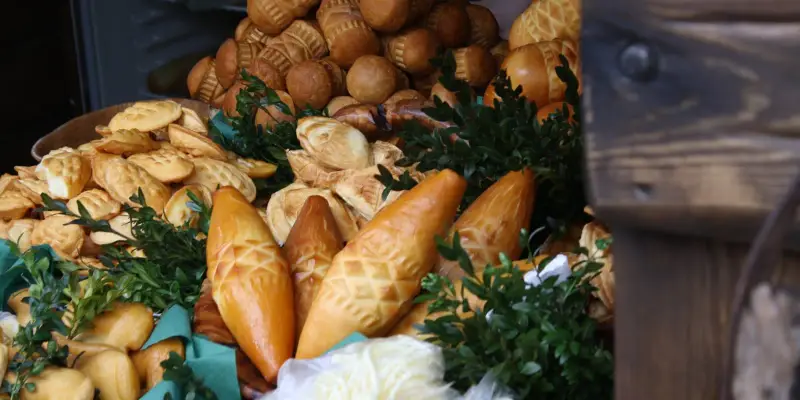
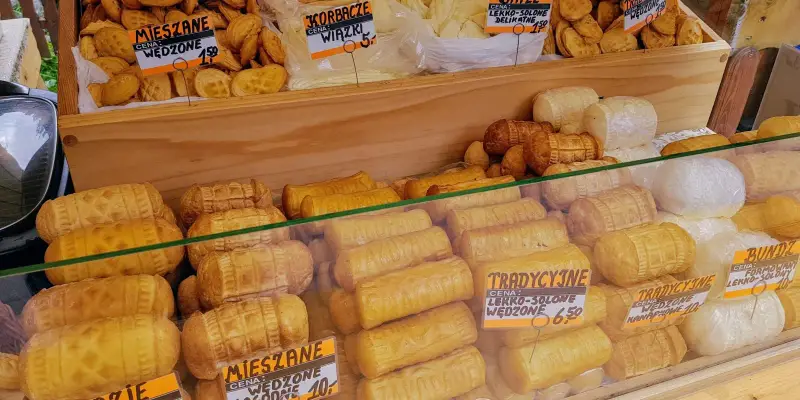
The most local note is bryndza, the creamy, spreadable sheep cheese with a savoury tang, found in potato dishes and on bread. Next to it, smoked cheeses such as oscypek arrive grilled with cranberry jam: worth trying, but share it, because it fills you up more than it looks.
What to drink and what comes alongside
Alongside the richer dishes you will often get pickled cucumbers, a sharp counterpoint. Among drinks, the cold months bring spiced warm beer and tea with a splash of spirit, while in summer local beer and juice-based drinks are more common. If you plan a trail the next morning, go easy on the alcohol the night before.
For dessert, pancakes and cakes with berries still make sense, especially with bilberries.
How to choose where to sit and what to order
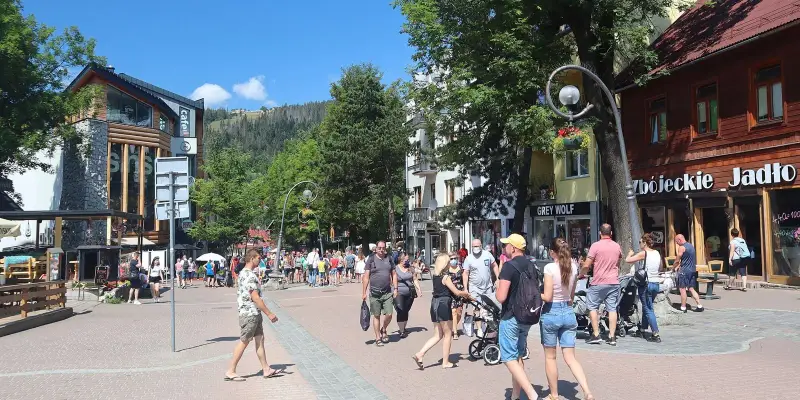
Krupówki has plenty of restaurants, pleasant to look at and convenient, but also the most touristy; move a few streets away and you find quieter places with shorter menus, which is usually a good sign. Check whether the list is short and tied to Podhale dishes rather than an endless catalogue of cuisines. At weekends and in high season expect some waiting, especially at dinner.
A practical tip for groups: order two or three different dishes and share them, so you try kwaśnica, moskole and one potato dish without missing out. Vegetarians will find it easier with pierogi ruskie, moskole and meat-free soups, but always ask how things are prepared; anyone avoiding gluten should check dish by dish, since pierogi and pancakes are made with flour.
In the end, Podhale cooking does not aim at elegance; it aims at warmth, and it does that well. A slow meal in a wooden room, with steam rising from a soup and the faint smell of burning wood, is one of the quickest ways to understand how people live in the mountains.
Frequently asked questions
What is kwaśnica and what does it taste like?
Kwaśnica is a sauerkraut soup cooked with pork, usually smoked. It tastes tangy, smoky and savoury, and if you dislike sour flavours it can seem strong. A spoonful as a trial is a good way to decide whether it suits you.
What can vegetarians eat in Zakopane?
You can order pierogi ruskie with potato and cheese, moskole, meat-free soups and mushroom dishes. Highland cuisine is meat-heavy, so always ask whether the broth or sauce contains lard or bacon before you order.
What does placek po zbójnicku mean?
It means “pancake in the brigand's style”: a potato pancake topped with or wrapped around a meat goulash, often with sour cream. It is very large, so one portion is usually enough for two people who also want to try something else.
Is the food good away from Krupówki?
Yes, often with shorter menus and less focus on tourists. Walking a few streets from the main promenade gives you a better chance of local dishes cooked with more care and a less crowded atmosphere.