In 1930, 70 shepherds with around 4,000 sheep worked in Dolina Chochołowska alone. Today the flocks are far smaller, but anyone walking the Tatra clearings can still come across a wooden hut, a fenced pen, a thread of smoke rising from a low chimney: this is the pastoral life the górale call the bacówka, and it is where the cheeses sold in Zakopane begin. Knowing it changes the way you eat an oscypek.
Who the baca is and what a bacówka does
The baca is the head shepherd: he chooses the pastures, leads the flock, and decides when to milk and how to turn the milk into cheese. Beside him works the juhas, the helper, who looks after the animals and daily chores. The bacówka is the hut where people live through the summer and make the cheese: a wooden room with a hearth, moulds, tables for working the curd and, above, the space where smoke cures the hanging pieces.
The day revolves around milk: milking, shaping, smoking. It is hard work, far from the postcard image people attach to mountain pastures, and it deserves respect. People who make cheese at that altitude often do it because it is a family trade, not for show.
Polana Rusinowa: where the sheep came back
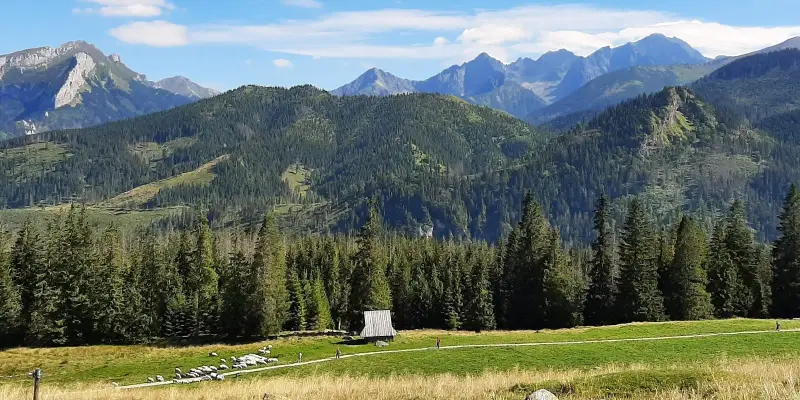
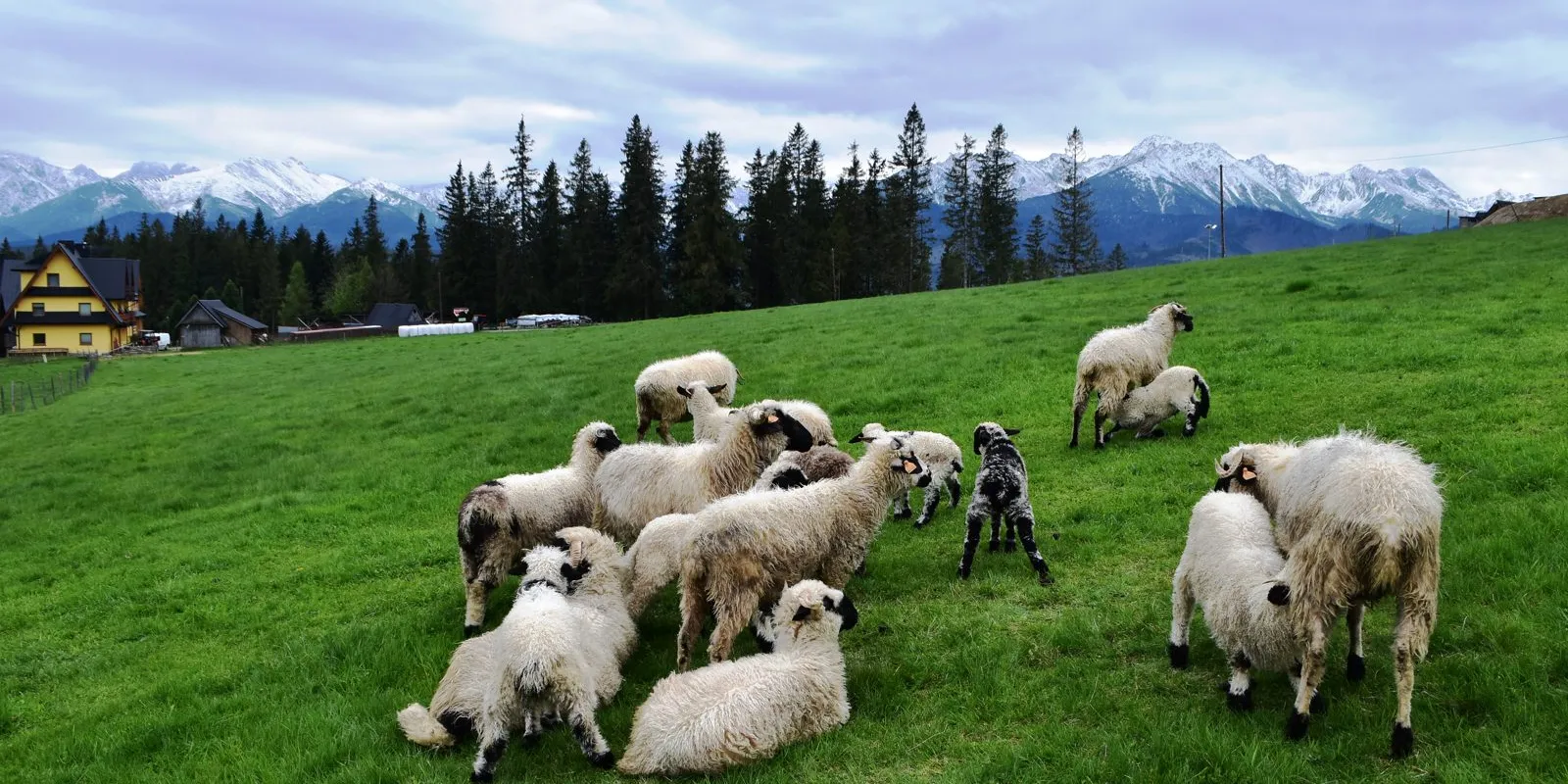
One of the loveliest clearings is Polana Rusinowa, at 1,180 to 1,300 metres, with a Tatra panorama that already in the 19th century was described as one of the finest. The name comes from the Rusin family, mayors to whom King Sigismund III Vasa granted the clearing in 1628. By the mid-20th century the pastoral settlement had twenty wooden buildings; around six remain today. Since 1981 sheep have returned, up to 200 of them, and in season the bacówka sells oscypek and other sheep's-milk cheeses.
It is an ideal place to see how landscape and herding fit together: sheep graze among granite boulders left by an ancient glacier, the hut is a few steps away, and a cheese eaten on the spot, with fresh wind and the valley below, tastes quite different. The climb is a proper walk, not a stroll in flip-flops. Trail conditions change with the season, so ask locally before you set off.
Dolina Chochołowska: the great pasture
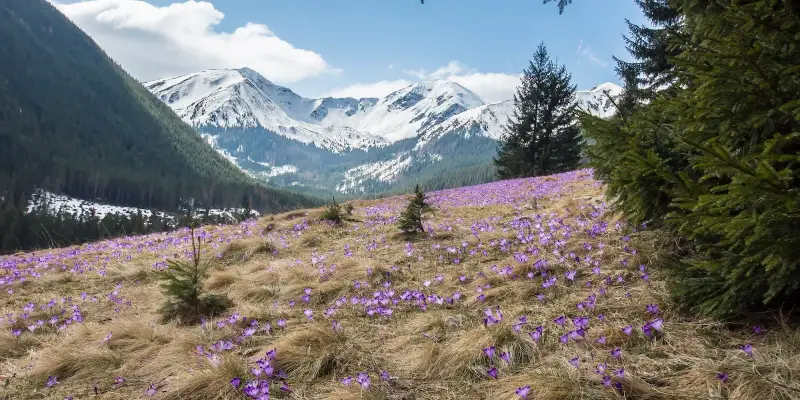
Dolina Chochołowska is the longest valley on the Polish side, about 10 kilometres, and for centuries it was shepherds' land as well as iron-mining country. In spring the meadows fill with crocuses, the image many travellers carry home. It is also the place that shows how large pastoral life once was: a mountain shelter stands on Polana Chochołowska, and the open landscape around it is that of the old pastures.
The main route along the valley floor is long but regular, around two hours and ten minutes on foot from Siwa Polana to the clearing. In the national park, stay on the trails, do not camp, and remember that the park does not allow walking the trails at night, from dusk to dawn, all year round; exact hours can change, so check the park's website before you set out.
The cheeses to taste
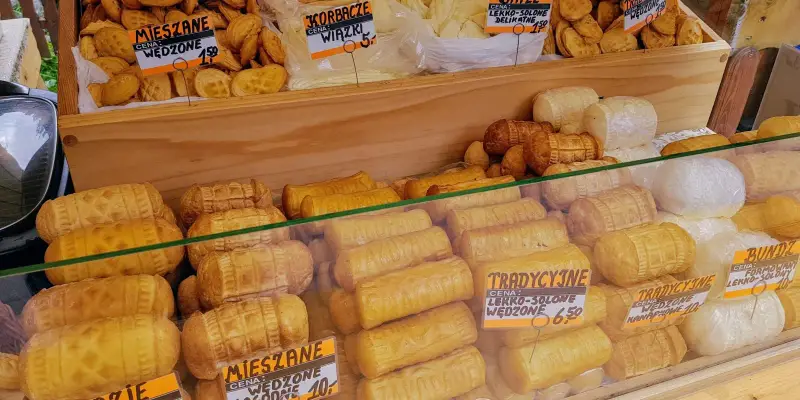
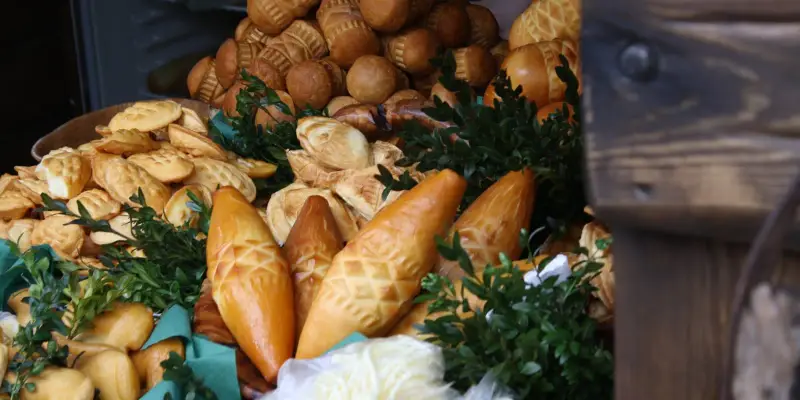
In the huts the choice is simple and seasonal. Bundz is the fresh sheep cheese, soft and mild; bryndza is the creamy, tangy, spreadable version; oscypek is the smoked, mould-pressed one. You may also see redykołki, small smoked cheeses moulded into the shape of a sheep, a stag or a heart, traditionally made from the leftover curd of oscypek and once given as gifts, usually in pairs. Next to them there is often żętyca, the sheep's whey, a tart drink that not everyone likes but many locals drink gladly.
A useful rule: taste what is in front of you, ask how it is made, and buy only what you can eat within a few days, because fresh cheeses keep far less well than smoked ones.
Respect for animals and shepherds
Sheep are not an attraction; they are a livelihood. Do not touch, chase or feed them, and photographers should keep their distance. Near flocks you often find the big white shepherd dogs, the Podhale sheepdogs, used to protecting the animals: do not approach, and do not walk through the flock. Always close the gates of pens, and if sheep are crossing the trail, stop and let them go by.
The pastoral season generally runs from late spring to early autumn, with variations linked to the weather, which is why hut cheese is not available at every moment, and a bacówka may be closed out of season. A practical alternative is to taste the same products at Zakopane's market, knowing it is not quite the same as eating them where they are made.
Frequently asked questions
What is the difference between a baca and a juhas?
The baca is the head shepherd, responsible for the flock and the cheese, while the juhas is his helper, assisting with daily chores and the animals. In many huts the roles are divided according to each person's experience.
What is żętyca?
It is the whey left after making sheep cheese, a tart, lightly salty drink. The taste divides people: if you are curious try a sip, and if you dislike strong flavours you can skip it without regret.
Can I go inside a bacówka and watch cheese being made?
It depends on the shepherd and the moment. You can ask politely, but do not enter without permission, because it is a workplace. Usually you buy and taste outside, respecting the working hours of the people there.
Can I bring my dog near the sheep?
Generally avoid it: sheepdogs can defend a flock firmly, and the national park has rules for dogs on trails. Check locally before setting out with an animal.