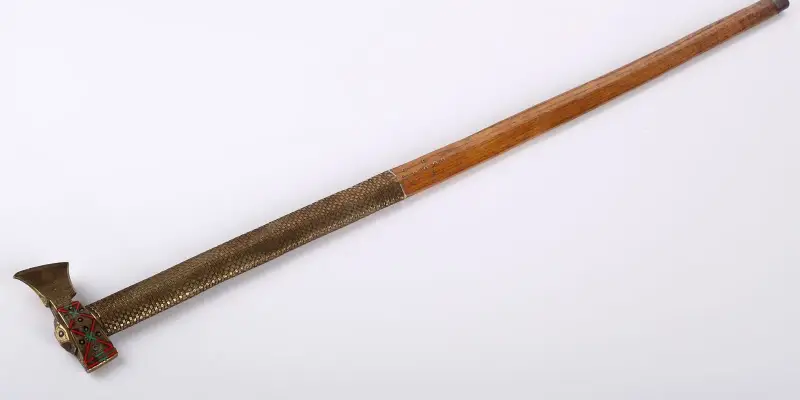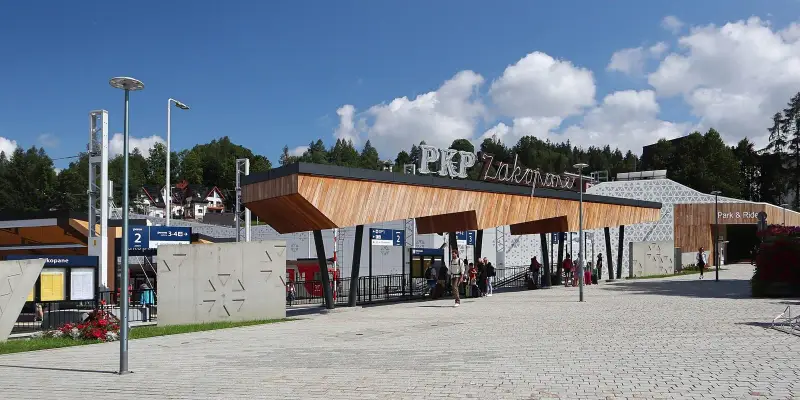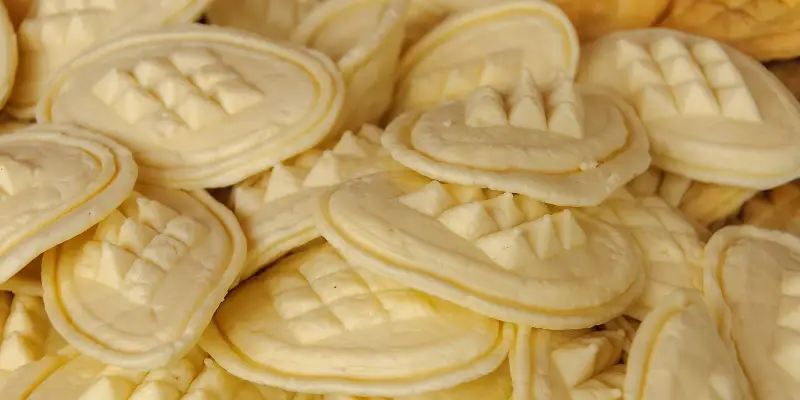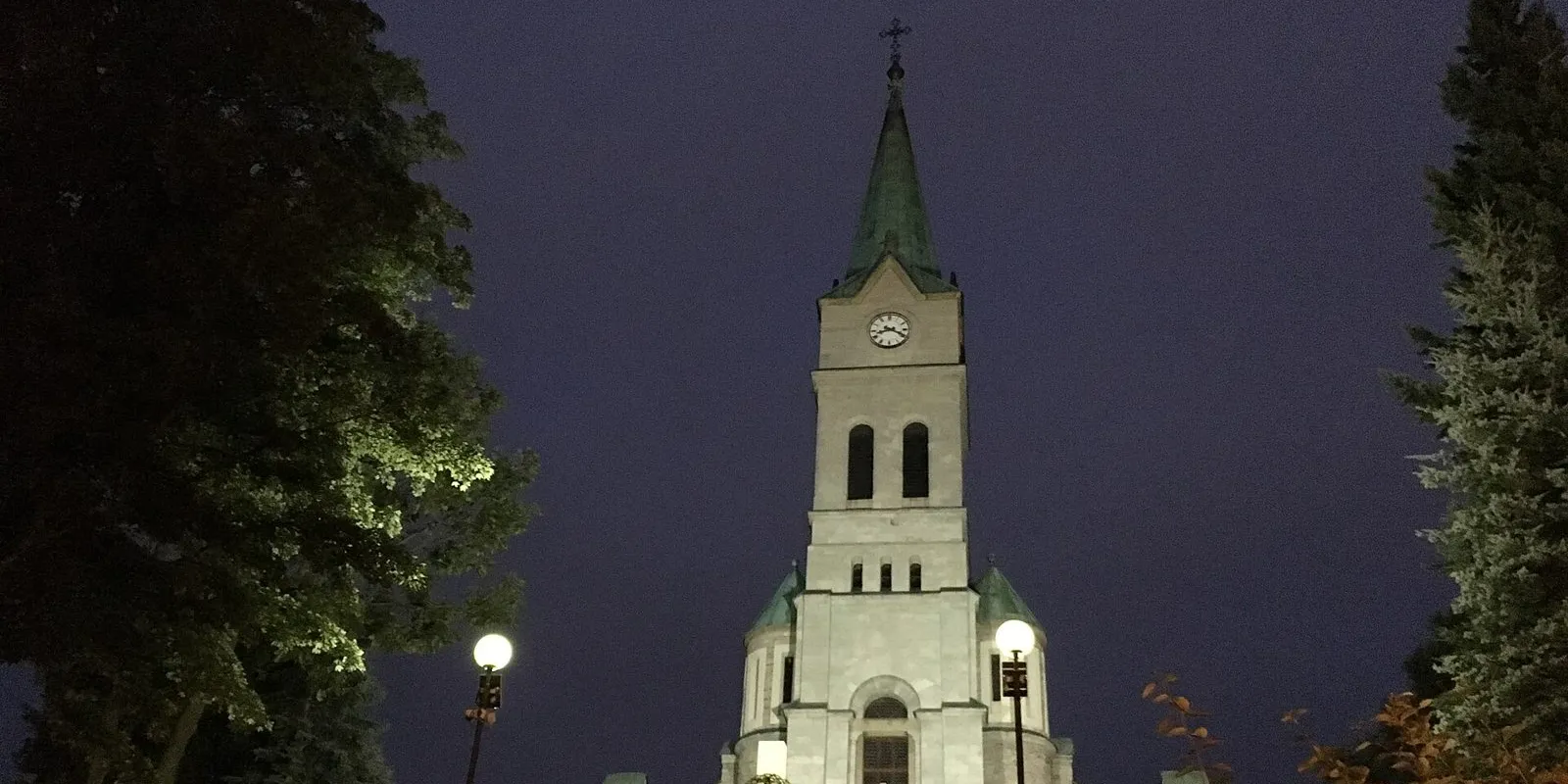
On a summer evening, the crowd on Krupówki flows one way, uphill, with the silhouette of Giewont darkening behind it. The street takes its name from a meadow, the Krupówki glade, and it is still the spine of the town's evening life: roughly a kilometre of shops, bars, restaurants and chocolate windows, with horse-drawn carriages passing the last strollers. It is more a promenade than a night out: you walk up, you walk down, you buy something to bite into and watch people. It is part of the experience, and also its most touristy part.
What to do on Krupówki, and what to avoid
The rule is simple: walk the street, but do not eat on it. If you want to eat well, go a couple of blocks away from the promenade, away from the waiters waving menus. The side streets are calmer, and noise drops quickly once the lights come on. If you want a cocktail or a craft beer you will find them on the parallel streets more than on the main drag; if you want a big-city club, you will be disappointed, because Zakopane is a mountain town where many people are up at dawn for the trails.
Karczma and kapela: an evening the górale way
The most rewarding way to spend an evening here is in a karczma, the inn of highland tradition: wooden beams, benches, mountain dishes and, in many places, live music. The players are a kapela góralska, the folk band of the Podhale region, with fiddles and a double bass, joined by other instruments depending on the band; there is singing and sometimes dancing. Two honest warnings. First, not every karczma is the same. Some lean on a postcard folklore, others are places where the music genuinely comes from the tradition. Second, live music is not everywhere, nor every night, so ask before sitting down rather than trusting the sign.
Theatre, as an alternative to folklore
If you have had enough folklore, look for the Witkacy Theatre (Teatr Witkacego), named after Stanisław Ignacy Witkiewicz, known as Witkacy. It began in 1985 with a group of young people fresh from the Kraków theatre school, and its repertoire revolves around Witkacy's plays, starting with those set in Zakopane itself; premieres follow the rhythm of the tourist seasons, summer and winter. It is not light entertainment and there is no show every night: check the programme, and expect to know some Polish or to settle for atmosphere and image. For anyone who likes auteur theatre, it is a different evening from anything else in town.
Thermal baths and an unhurried view
After a day on the trails, the geothermal baths at Chochołów, Bukowina and Białka are the classic answer for tired legs. The water comes from deep wells: at Chochołów from about 3.5 km down, and being very hot it is cooled before it reaches the pools. The sites lie north of Zakopane, in villages of the Podhale, so you need a car or a bus and should plan the way back. The Gubałówka funicular, in service since 1938, is also worth a ride: from the top you see the town spread beneath the Tatras; check the last run of the day before going up.
Before you head out
If the evening takes you out of town or onto the slopes, remember that the Tatra trails are not for walking at night: stay on roads and lit paths. For emergencies in the mountains call 112 or TOPR (985). And if tomorrow is a long hike, know that Zakopane's night is easy to stretch until dawn without regrets, but it is your legs that decide.