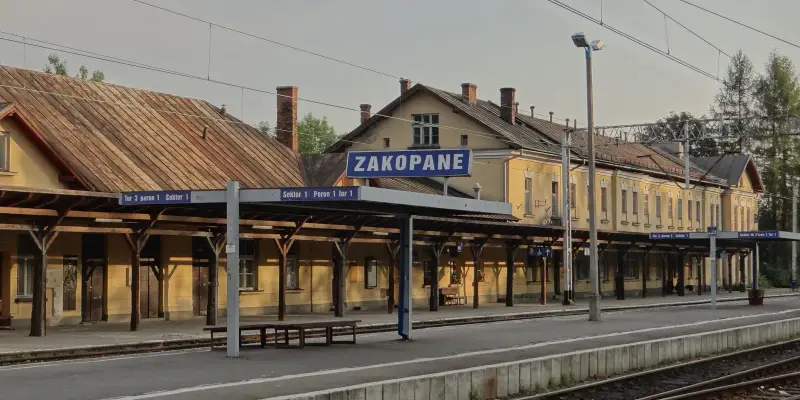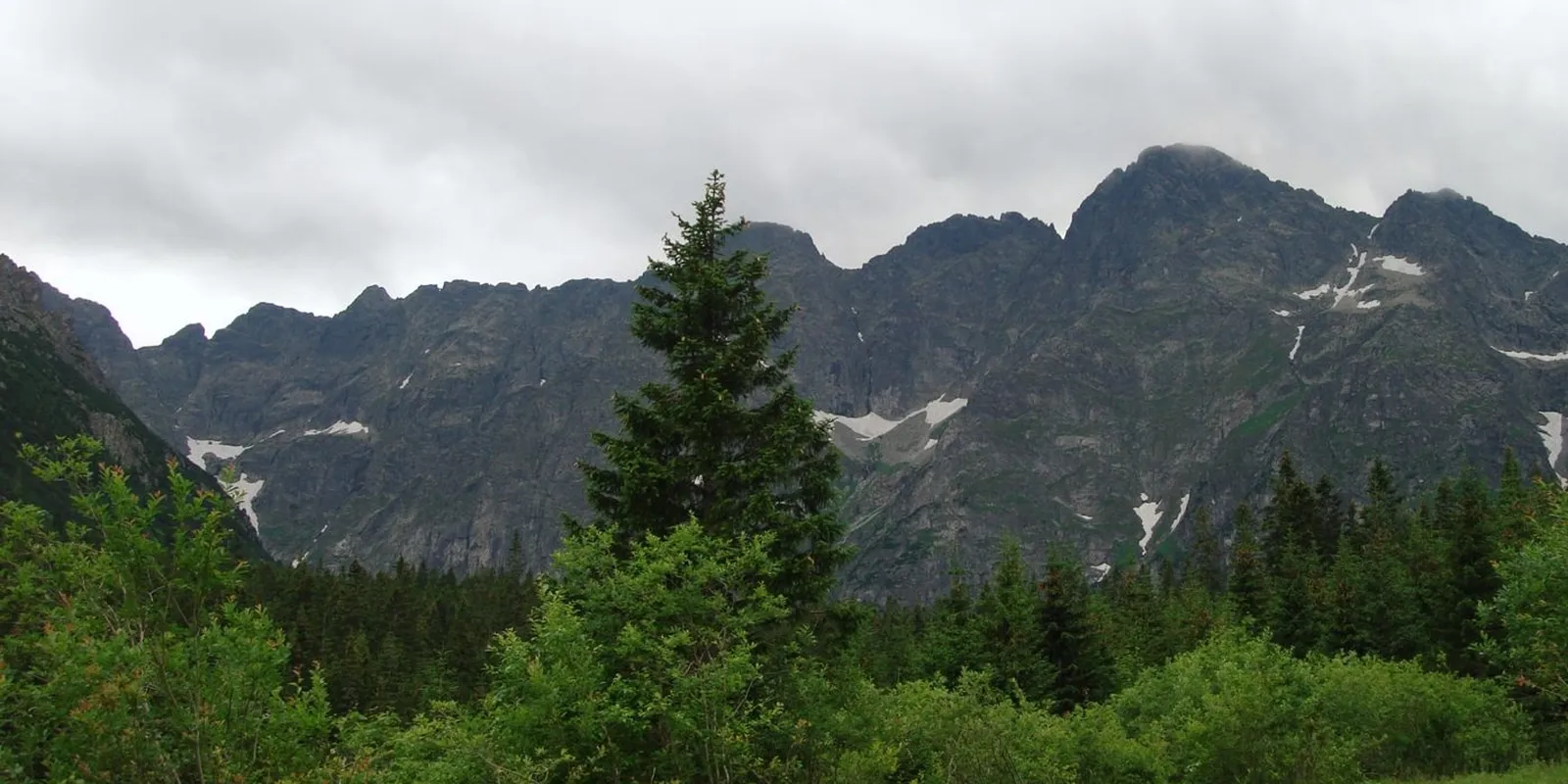
The last eight and a half kilometres to Morskie Oko are an excellent paved road, and private cars are not allowed on it. That detail surprises many visitors who arrive in Zakopane convinced a car will take them everywhere: in the Tatras, the car gets you as far as you can go, and then you walk. Driving here is convenient, but it takes a few smart decisions about roads, timing and parking.
The Zakopianka and the weekend problem
The main road climbing from Kraków is known as the Zakopianka, and Poles know it above all for its queues. On high-season weekends, school holidays and public holidays, the inbound traffic on Friday and the outbound traffic on Sunday can stretch the trip considerably. If you can choose, leave early in the morning or travel midweek: the same stretch that flows easily on an ordinary day becomes a slow procession on an August Saturday or a ski weekend. A navigation app with live traffic data helps you decide whether to wait or reroute.
In winter, remember that the road climbs toward the mountains: winter tyres are not a romantic extra but a safety choice, and it is wise to check snow and ice conditions before setting out. If you are coming from abroad, look up local driving rules, speed limits and lighting requirements: these change over time and should be checked on official sources.
In the centre: Krupówki is not for cars
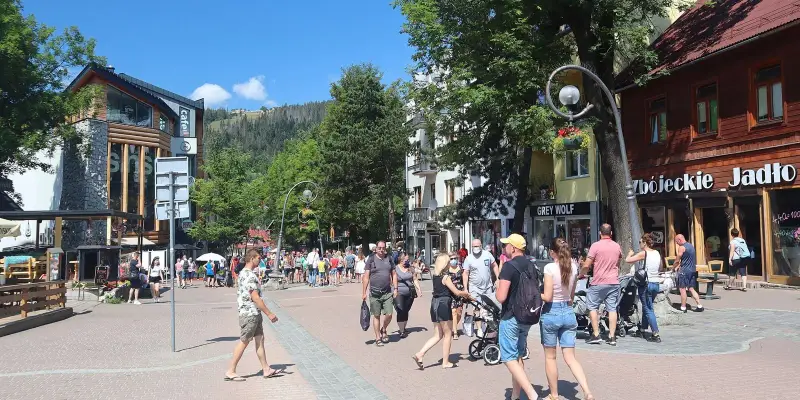
The heart of Zakopane, Krupówki, is a pedestrian street closed to cars and bicycles. It starts at the junction of Nowotarska and Kościeliska streets and climbs for a little over a kilometre: that means the car stays elsewhere and you reach Krupówki on foot. The centre is crowded, the streets around it are narrow and one-way in places, and circling for a space costs time and temper. The honest advice is simple: park once, near where you sleep or in a car park, and forget about the car until you leave.
In the central area there are paid zones and parking and traffic restrictions that change with the seasons and with the town's rules. You do not need numbers; you need to read the signs. A wrong stop costs a fine or a tow, and in high season the checks are real. If your accommodation has parking, that is a huge advantage: ask about it before choosing.
For the trails: trailhead car parks and early arrivals
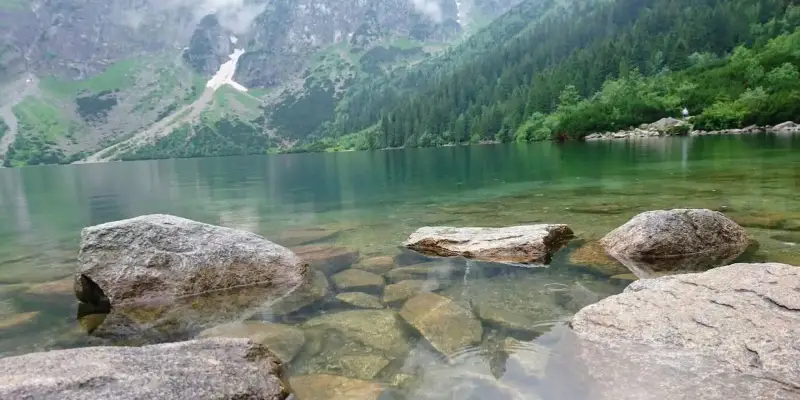
Almost all the big routes start from a car park at the edge of the national park, and the most famous is Palenica Białczańska, where the road to Morskie Oko begins. From there the 8.5 km of asphalt is closed to private cars: you walk (along the red trail; in season the national park also runs electric buses that shorten the walk), and for the day you can treat the approach as part of the experience rather than an obstacle. Circling the lake takes about 50 minutes, and on fine days the crowds are enormous: arriving early is not only a way to find a space but also to enjoy the scenery with fewer people. The car parks at Palenica Białczańska and Łysa Polana require a national park e-ticket, obtained online: rules change, so check the current ones on the park's website.
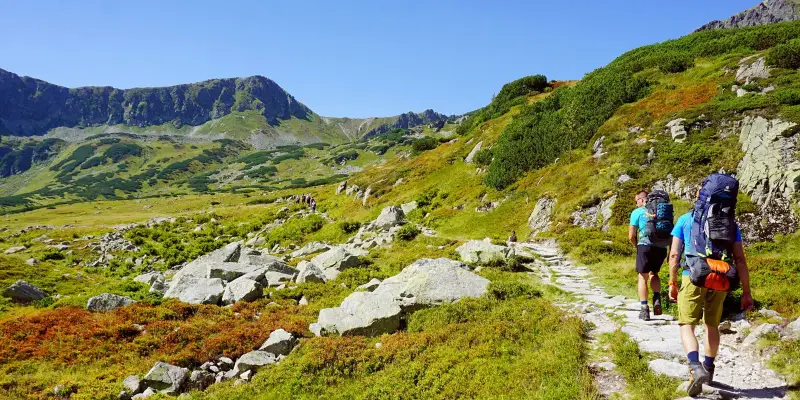
The car parks near the most popular trails fill up early, sometimes very early, on fine summer days. The only strategy that works is to arrive early in the morning or pick an alternative: a quieter trail, a different hour, or public transport. Other valleys, such as Kościeliska and Chochołowska, have their own starting points and rules, and it is worth asking locally where to leave the car and what you can do nearby.
Things not to do, and alternatives to driving
Do not park on road verges where it is not clearly allowed, even if you see other cars lined up: the signs and the checks are there for a reason, and rescue vehicles must be able to pass. Do not leave anything visible in the car, at any tourist car park in the world: bags, jackets, ski gear. And do not plan too much for one day: between traffic, the hunt for a space and the walking, a mountain day needs slack.
Finally, remember that in many cases the car is less useful than you think: the centre is walkable, public services reach the most popular starting points, and at the end of the day it is less stressful if someone else is driving. A hybrid approach, car to arrive and the rest without, is often best. The real luxury in Zakopane is not having to think about where to leave the car for the fourth time that day.
Frequently asked questions
Can I drive all the way to Morskie Oko?
No, the 8.5 km paved road from Palenica Białczańska is closed to private cars. You reach the lake on foot along the red trail, helped in season by the park's electric buses for part of the way. Plan the return the same way and wear suitable shoes, because the walk is long even though the road is wide.
How long does it take to drive from Kraków to Zakopane?
It depends heavily on traffic: on quiet days it takes more than two hours, but on weekends and holidays it can become much longer. Leaving early or choosing a midweek day is the simplest way to avoid the queues.
Do I need winter tyres to drive to Zakopane?
In winter they are strongly recommended, because the road climbs toward the mountains and snow or ice is possible. Rules on mandatory use vary by country and over time, so check the current ones before leaving, especially if you are in a rental car.
Is it better to leave the car in the centre or outside?
If your accommodation has parking, leave it there and explore the centre on foot. Parking on central streets is difficult and the stopping rules are strict. For the trails, pick the car park closest to the start and arrive early.