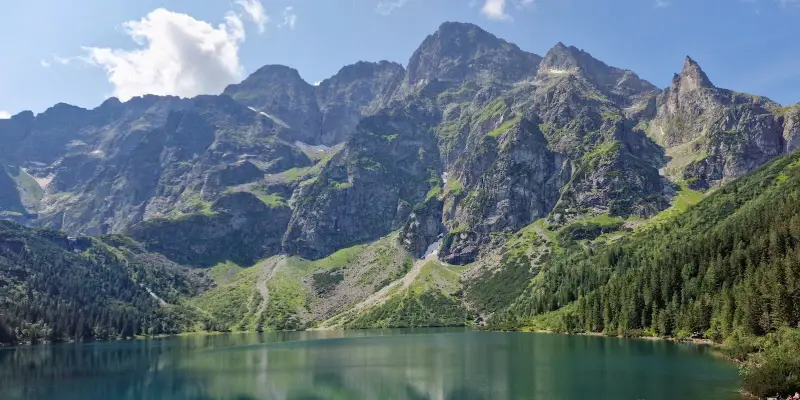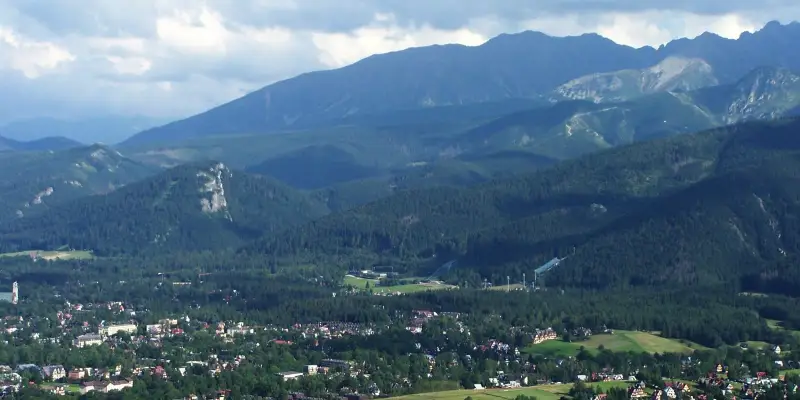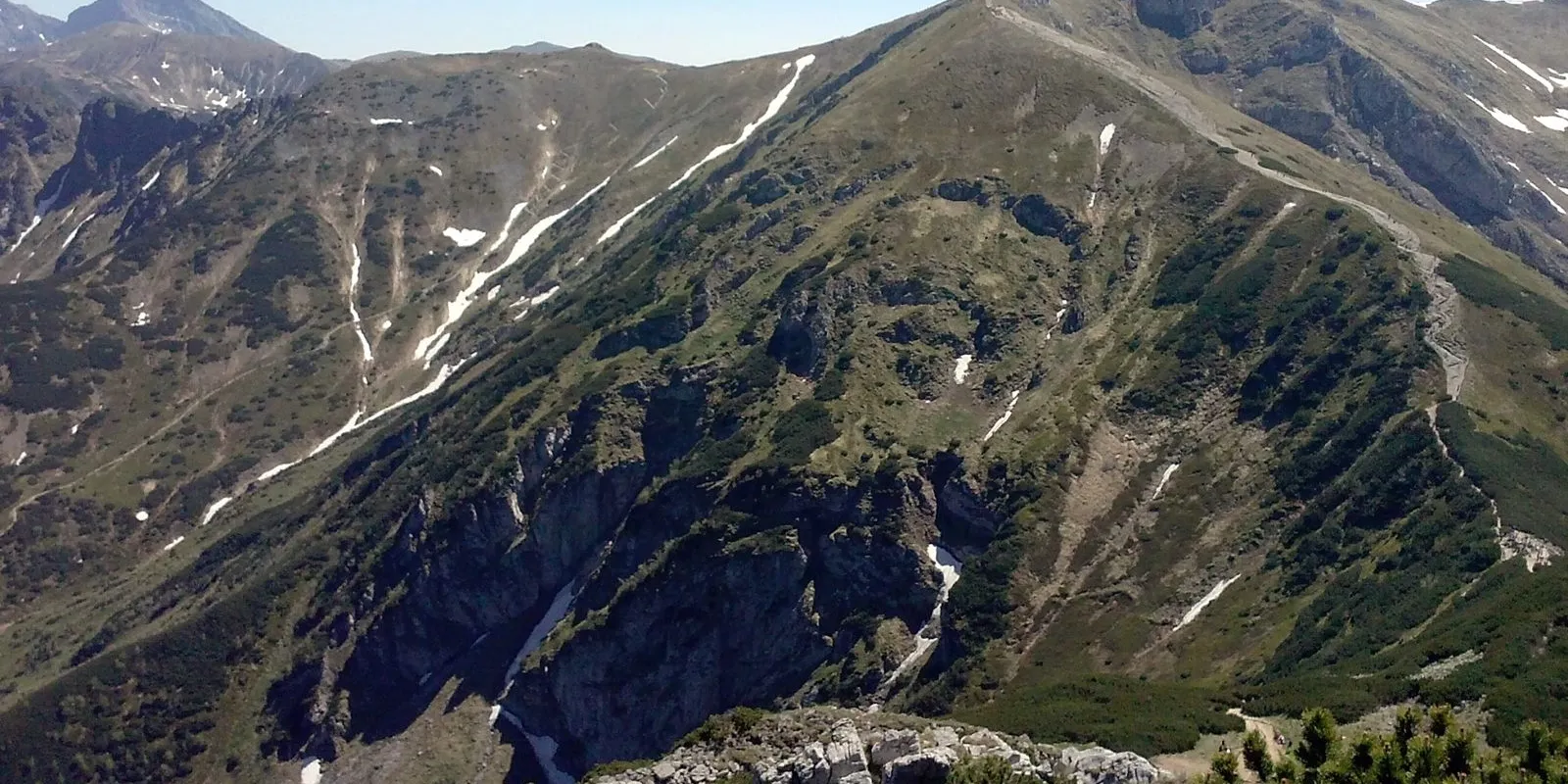
You will not find a single rubbish bin on the Polish Tatras, and that is no oversight: in the Tatrzański Park Narodowy everything you carry up comes back down with you. The rule surprises people arriving from the city, and it sums up the spirit of a territory of 21,197 hectares that covers the entire Polish side of the range, where live animals found nowhere else in Poland. Knowing the park rules and the basics of safety is not bureaucracy: it is what separates a good day out from a rescue call.
A park with precise rules, for good reasons
The park has been active since 1955, has its headquarters at Kuźnice in Zakopane, and since 1993 has formed, with the Slovak park TANAP, a UNESCO biosphere reserve. The Tatra chamois and the Tatra marmot are subspecies born here and, in Poland, live only in these mountains. More than eight hundred caves are recorded, six of them open to visitors, along with about 275 kilometres of marked trails. Over some 150 square kilometres the protection is strict.
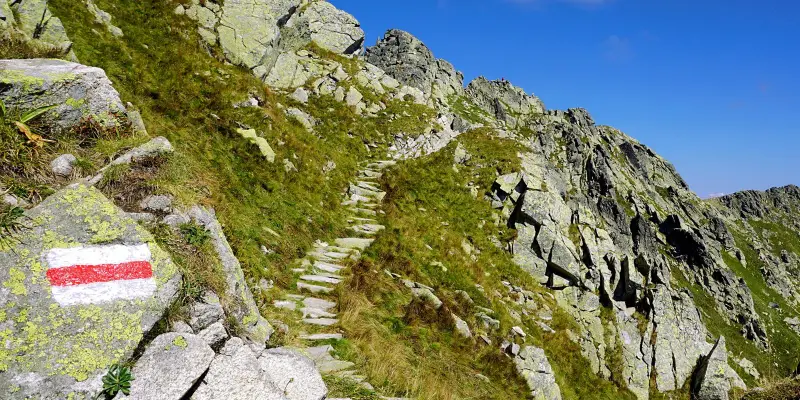
The main rule is simple: walk only on marked trails. Bivouacking, fires, drones and swimming in lakes and streams are forbidden. Rubbish goes back down with you, because there are no bins. Flowers and minerals stay where they are. These rules protect a fragile environment, but they also protect you: leaving the path on steep ground is the quickest way to get hurt.
Dogs and other exceptions to know beforehand
Dogs are allowed in only two places: on the Droga pod Reglami and on the floor of the Dolina Chochołowska as far as the hut, always on a lead. On every other trail in the park they are banned. If you travel with a pet, plan beforehand where to leave it or which route to choose. Even on meadows where sheep graze, keep your distance from the livestock.
Another rule concerns time. You may not walk at night, from dusk to dawn, all year round (exact hours can change, so check the park's website before you set out): the park forbids it to protect wildlife, and in any case darkness makes the paths dangerous. The dates of the ban can change, so check the current rules. In practice it means planning your route from the return, not from the start, especially in autumn.
Weather: the rule that weighs the most
In the Tatras the weather can change within an hour: a clear morning can turn into an afternoon of fog, cold or thunderstorm. The most serious summer danger is a storm at altitude, especially on ridges and exposed summits. So the principle is to start early and come down early, checking the forecast before climbing and watching the sky as you walk.
Equipment is not a detail: mountain footwear, a waterproof jacket, a warm layer even in summer, water and food, a torch or a charged phone. There is no guaranteed «easy trail»: conditions change with the season, snow and ice, and before setting out it is wise to ask locally, at huts, at the park or from people who know the area.
Winter is another mountain
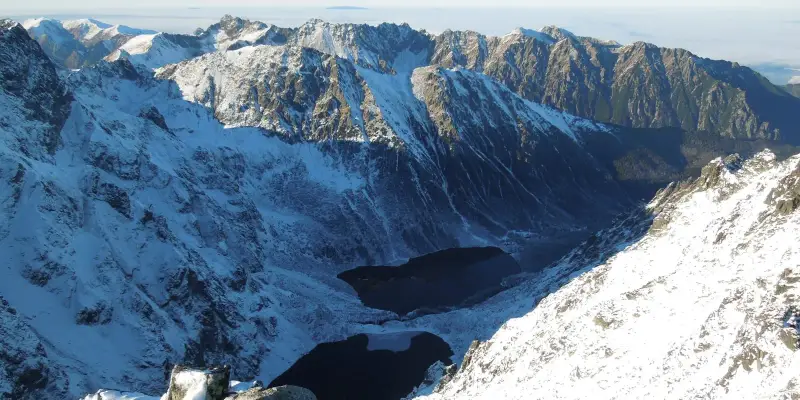
In winter many trails change nature. Snow, ice and avalanche risk demand proper equipment and the ability to use it. The Polish mountain rescue service, TOPR, publishes an avalanche bulletin to be read before every outing. Some trails are closed in winter for safety reasons: the closure must be respected, even when it seems that «people get through anyway».
When in doubt, the best choice is to shorten the trip. In winter daylight is short, effort is greater and the margin for error smaller. A path that is a stroll in summer can become a serious route, and a short, well-judged outing is worth more than a long one that ends badly.
If something goes wrong: rescue and behaviour
In an emergency call 985, the TOPR number, or 112, valid across the European Union. Say calmly who you are, where you are, how many of you there are and what happened. Stay put, sheltered and near the path if possible, and keep the phone on while saving the battery. Do not look for shortcuts down: it is the most common way to make things worse.
Before setting out, tell someone where you are going and when you expect to be back. It is a tiny gesture, and in the mountains it is often the most useful.
Frequently asked questions
Can I camp or sleep in a camper van inside the park?
No, bivouacking is forbidden in the national park, and so are fires. For a bed there are the huts, or the lodgings in Zakopane and nearby villages outside the protected territory. The same goes for improvised overnight stops: even in bad weather the right choice is to descend or reach a hut.
Can I fly a drone to take photos in the park?
No, drones are banned in the Tatrzański Park Narodowy, partly so as not to disturb wildlife and other hikers. Photos are taken from the ground, staying on marked trails. For any doubt about special filming, contact the park management directly, which is based at Kuźnice in Zakopane.
Which caves can visitors enter?
More than 800 caves are recorded in the park, but only six can be visited by tourists. The others are protected in ways that make them effectively closed to ordinary visitors. Ask locally which caves can be visited and under what conditions, and never enter a cave without proper equipment and preparation.
Does my phone always work in the mountains?
No, the signal can be missing in narrow valleys and under cliffs, so do not rely on the phone alone. Carry a spare battery, download the map beforehand and tell someone your route. In need, call TOPR's 985 or 112, and stay where you are.