A log chapel drawn by Witkiewicz himself
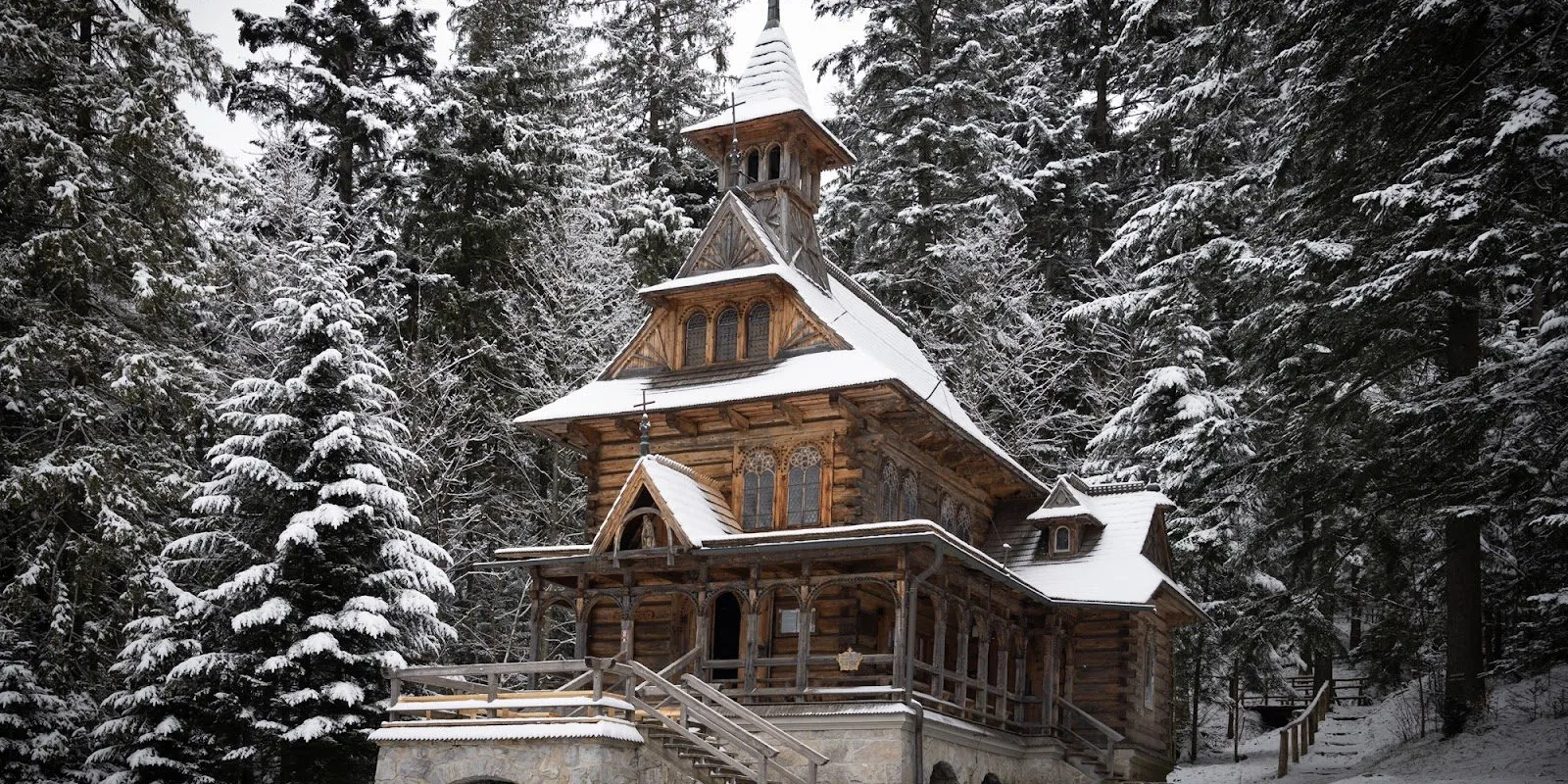
A chapel built of logs on a high stone plinth, with arcaded porches and a shingled roof, stands at Jaszczurówka, and the man who drew it, Stanisław Witkiewicz, was the same man who had spent years inventing the style it displays. Work began in 1904 and the chapel was consecrated in 1907. It is regarded as one of the purest sacred buildings of the Zakopane style, the idiom Witkiewicz built on the carpentry of highlander cottages and hoped would become a Polish national style rather than a regional curiosity.
A highlander cottage turned into a church
The logic of the building is easy to read from the outside. The heavy stone base lifts the timber off the damp ground, the log walls are laid in the notched technique of mountain farmsteads, and the steep shingled roof sheds snow and rain down the slope. The arcaded porches run along the sides and give the chapel the look of a large, carefully proportioned house with a small bell tower set on top. Nothing is borrowed from town churches: no stone vaults, no plastered facade, only the vocabulary of local carpenters pushed to a higher level of design.
The chapel belongs to Tatra National Park, which looks after it, and it has been a listed monument since 1993. It also belongs to the Małopolska Wooden Architecture Trail, the regional route that links timber churches, manor houses and chapels scattered across southern Poland. A major restoration took place between 1977 and 1981, and today the chapel is a filial church of the Divine Mercy parish in Zakopane. Seen among those neighbours, Jaszczurówka is unusual because it is the work of a single designer who wanted every detail, inside and out, to agree.
Inside: a hut for an altar and glass with two Marian images
The interior is small and quiet: a single nave and a rectangular presbytery. The main altar is shaped like a highlander's hut, so that the sanctuary repeats, in miniature, the idea of the whole building. The stained-glass windows, whose design is attributed to Stefan Matejko (some sources instead speak of cartoons by Witkiewicz), carry two images of Mary that are deeply rooted in Polish and Lithuanian devotion: Our Lady of Częstochowa and Our Lady of Ostra Brama, accompanied by the coats of arms of Poland and Lithuania. Those pairings recall the old shared Commonwealth and show that a chapel in the Tatra foothills was meant to speak to the whole country, not only to the village.
The wood, the low light and the small scale make visits short but memorable; people tend to stay for the details of the joinery and the glass. As in any working place of worship, visitors are expected to keep their voices down and to dress and behave respectfully, particularly when a service is under way.
Where it stands and what to pair it with
The chapel stands in Jaszczurówka, on the edge of Zakopane, along the road that leaves the town toward the eastern side of the Tatras and the way to Morskie Oko. Behind it, the forested slopes of the national park begin almost at once, so the building appears set against a wall of spruce, which is how Witkiewicz's timber architecture looks best. Because the chapel is small, it combines naturally with a longer walk or drive on the same side of town instead of being a destination for a whole day.
In winter the snow on the shingles makes the roofline stand out clearly. Because the site belongs to a national park, the usual rules apply around it: stay on the paths, take your litter with you, and do not touch or lean on the old timber.
Where it is
Tours and activities
-
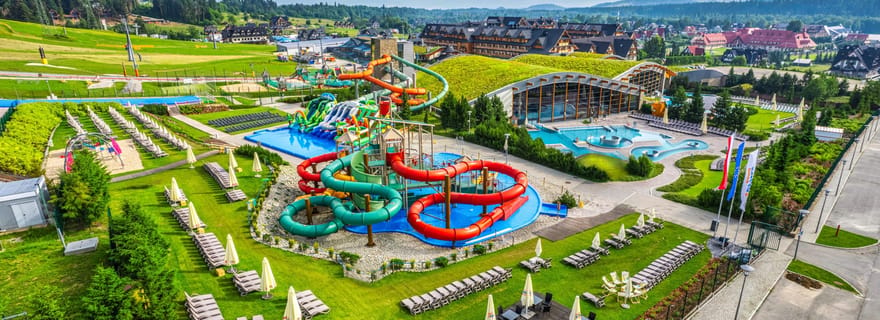 From €22 per person
Zakopane
Terma Bania Aquapark Tickets in Białka Tatrzańska
★ 4.6 (132 reviews) · Free cancellation
Duration: 3h30
See availability Details -
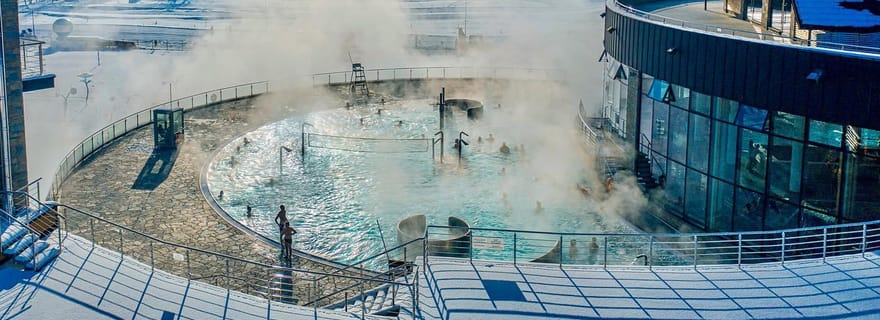 From €5 per person
Zakopane
Chochołowskie Thermal Baths Entry with a Personal Host
★ 4.5 (116 reviews) · Free cancellation
Duration: 3–10 h
Guide in:
See availability Details



-
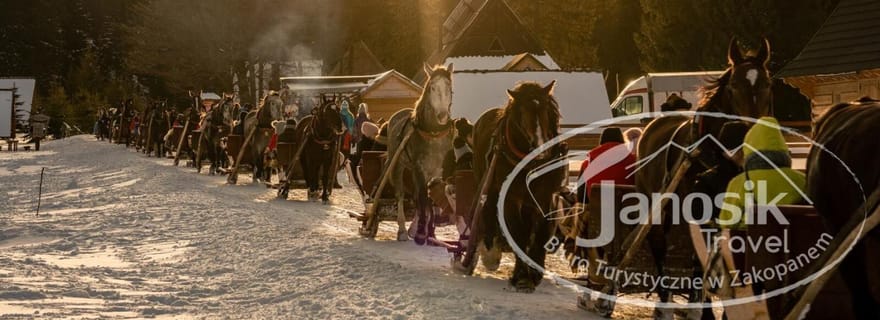 From €81 per person
Zakopane
Zakopane: Chochołowska Valley Sleigh Ride with Bonfire
★ 4.4 (58 reviews) · Free cancellation
Duration: 3 h · Hotel pick-up
Guide in:
See availability Details -
 ★ Top rated
From €18 per person
Zakopane
Zakopane and the Tatra Mountains Day Trip from Kraków
★ 4.7 (371 reviews) · Free cancellation
Duration: 5–9 h · Hotel pick-up
Guide in:
See availability Details