Oriental carpets in a mountain manor
For years one of Poland's finest collections of oriental carpets was hidden under a double floor in a one-room flat in Warsaw. Today part of those textiles can be seen in Zakopane, in the gallery named after Włodzimierz, Jerzy and Anna Kulczycki, a branch of the Tatra Museum at Droga na Koziniec 8.
A Lviv vet and his plan
Włodzimierz Kulczycki was a veterinarian, lecturer and rector of the Veterinary Academy in Lviv. In 1906 he bought his first carpets, tapestries and kilims, and planned the collection on scientific lines: he wanted it to represent the carpets of the peoples of Asia Minor, Central Asia, Iran and the Caucasus. His son Jerzy (died 1974) carried on the work and enlarged it between the wars: by 1940 there were over 200 objects, shown at temporary exhibitions.
The textiles survived the bombing of Lviv and the post-war deportations; Jerzy took them to Warsaw, where they long lay hidden under a double floor in the family's one-room flat. Later the collection was divided: 66 "court carpets", more luxurious and palatial in character, went to Wawel Castle in Kraków; the pieces of folk tradition were destined for Zakopane. Zakopane therefore does not hold the entire Kulczycki collection, but the folk-tradition part, which the museum keeps and studies.
Anna Kulczycka's gift
In 1977, three years after her husband's death and in accordance with his wishes, Anna Piotrowicz-Kulczycka, Jerzy's widow, gave to the nation and entrusted to the Tatra Museum 65 objects: kilims, carpets, hangings and shawls of oriental folk art, dating from the 16th to the 19th century and tied to Turkey, Persia, the Caucasus and Central Asia. In 1981 the gallery was inaugurated and Anna became its honorary lifetime custodian, also of the donated collections. Carpets are delicate, so the display rotates: the permanent exhibition is not fixed, and those who return may find different pieces.
The Koziański villa, between ministers and archives
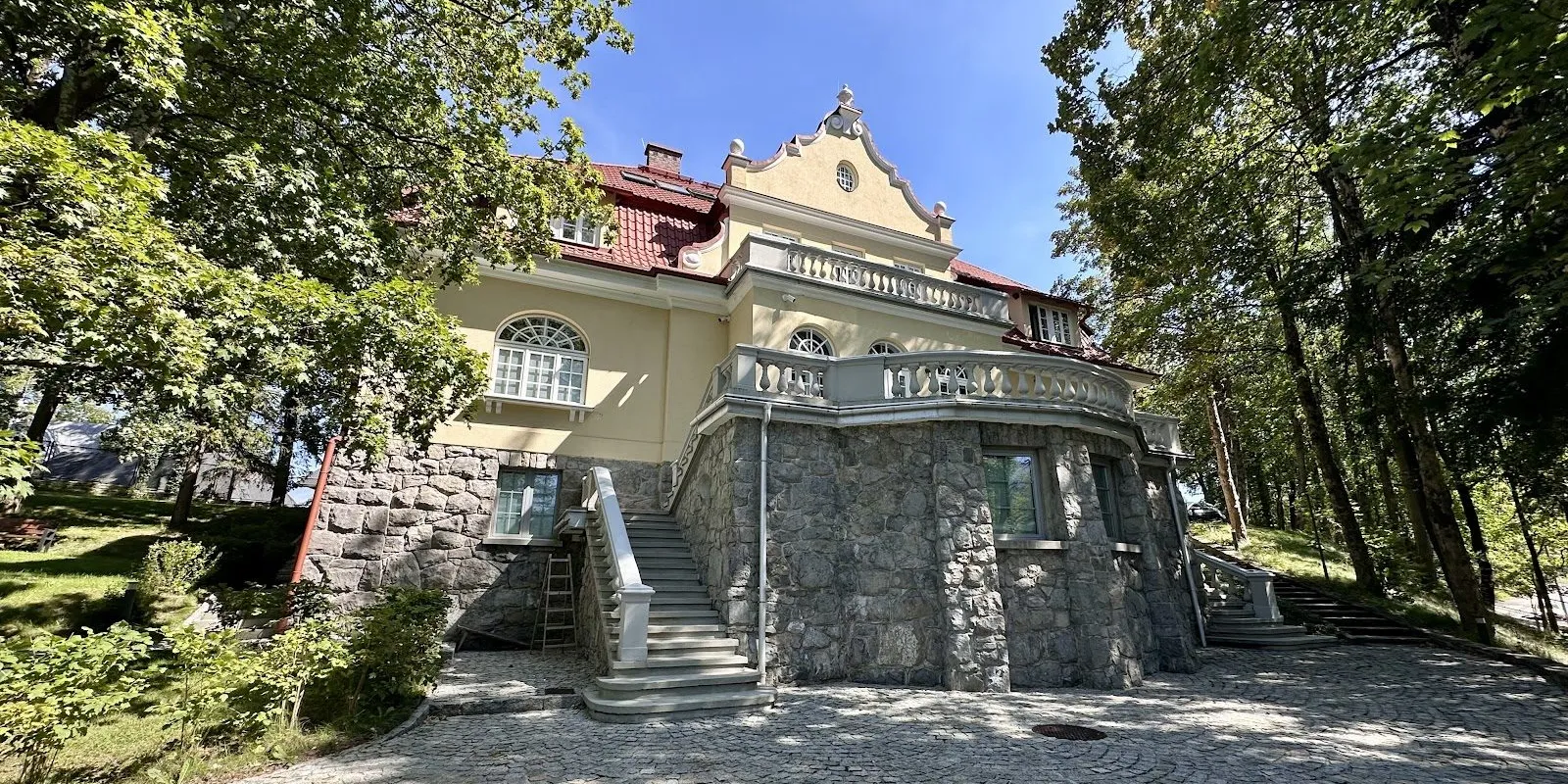
The building, Villa Koziańskich, is a manor-style house built in the 1920s for the Koziański family, near Villa pod Jedlami. After the Second World War the Office of the Council of Ministers bought the house from the heirs and for decades it was a representative residence used by leaders of People's Poland, among them Prime Minister Józef Cyrankiewicz: that is why Zakopane still calls it "Cyrankiewiczówka".
In 1981 museum staff persuaded the town to transfer it to the Tatra Museum, founded in 1889, and so the gallery was born. Today the building is also the museum's scientific and administrative headquarters and houses the archive and a library with a reading room. A visit to the carpets therefore takes place in a house where the collections are actively worked on, a few minutes from the centre on the Koziniec hill: a good option for a rainy day, where attention goes to the patterns, knots and colours of the textiles rather than to grand reception rooms.
Where it is
Tours and activities
-
 From €22 per person
Zakopane
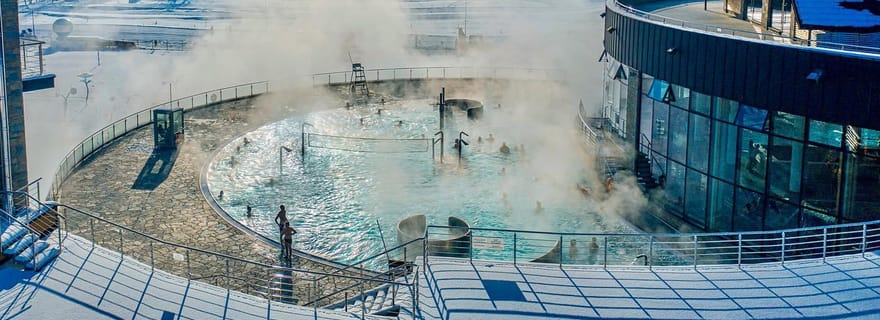
Terma Bania Aquapark Tickets in Białka Tatrzańska
★ 4.6 (132 reviews) · Free cancellation
Duration: 3h30
See availability Details -
 From €5 per person
Zakopane
Chochołowskie Thermal Baths Entry with a Personal Host
★ 4.5 (116 reviews) · Free cancellation
Duration: 3–10 h
Guide in:
See availability Details



-
 From €81 per person
Zakopane
Zakopane: Chochołowska Valley Sleigh Ride with Bonfire
★ 4.4 (58 reviews) · Free cancellation
Duration: 3 h · Hotel pick-up
Guide in:
See availability Details -
 ★ Top rated
From €18 per person
Zakopane
Zakopane and the Tatra Mountains Day Trip from Kraków
★ 4.7 (371 reviews) · Free cancellation
Duration: 5–9 h · Hotel pick-up
Guide in:
See availability Details