A waterfall named after its bigger sister
The name Siklawica is a diminutive: it comes from the Siklawa, the big waterfall of the Dolina Pięciu Stawów Polskich, and the fall itself was once also known as Siczawa or Siklawa. It lies in the upper part of Dolina Strążyska, below the north face of Giewont in the Western Tatras. With its two steps of about 12 m each it is far smaller than its sister, but anyone can reach it in a few minutes from the clearing below.
Two steps and a pothole
The water of Strążyski Potok drops in two near-vertical steps of about 12 m each, the rock walls inclined at about 80°. On the ledge between the tiers, the falling water and the debris it carries have scooped out a pothole, a round erosion hollow. A little above the upper step there is a third tier of about 9 m. Strictly speaking, Wikipedia notes, the fall belongs to Mała Dolinka, the western branch of the upper valley. The flow changes a lot with the seasons: it is strongest in spring and after storms, while in a dry summer the stream shrinks to a thread.
A valley born of a fault, and of shepherds
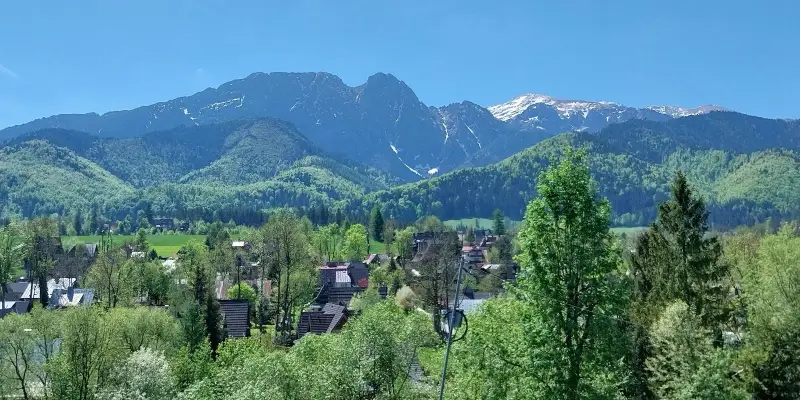
Dolina Strążyska is about 3 km long and covers about 4 km². It formed along a tectonic fault, and the road through it was built between 1893 and 1896. The name comes from strąga, the pen in which sheep were milked in the Podhale dialect: the clearing at the top, Polana Strążyska, was pasture. The oldest documents mentioning the valley date from 1605, the form "Strążyska" appears in 1669, and only in 1961 did the Tatra National Park take over the clearing and end grazing. It is among the most visited Tatra valleys, with about 6% of all visitors, and Józef Ignacy Kraszewski called it a "land of silence and dreams, and so beautiful". The valley holds species rare in Poland, such as woolly cotoneaster, and on Samkowa Czuba patches of primeval beech and fir forest survive, with the odd yew.
The old path to Giewont
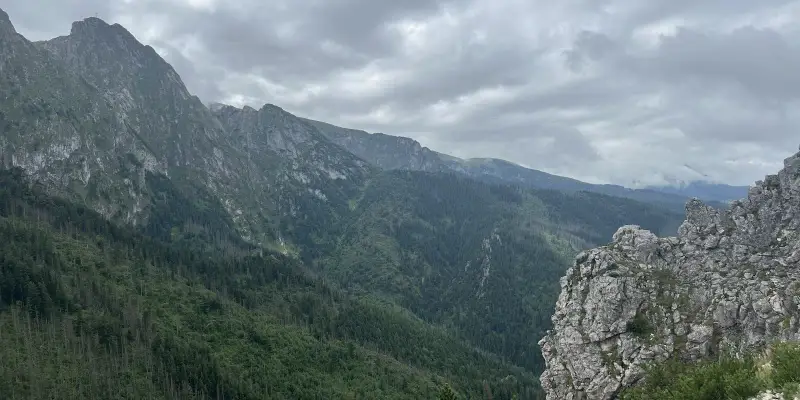
Siklawica has been known since the earliest days of Tatra tourism: in 1849 Ludwik Zejszner wrote that the fall was "worth seeing in every respect". Above the fall opens the Mała Dolinka, beneath the walls of Giewont. Through the Warzecha gully ran, in the past, the shortest tourist route from Zakopane to Giewont, no longer in use today. In winter the area is very dangerous because of avalanches that slide down the north face of Giewont.
How to visit
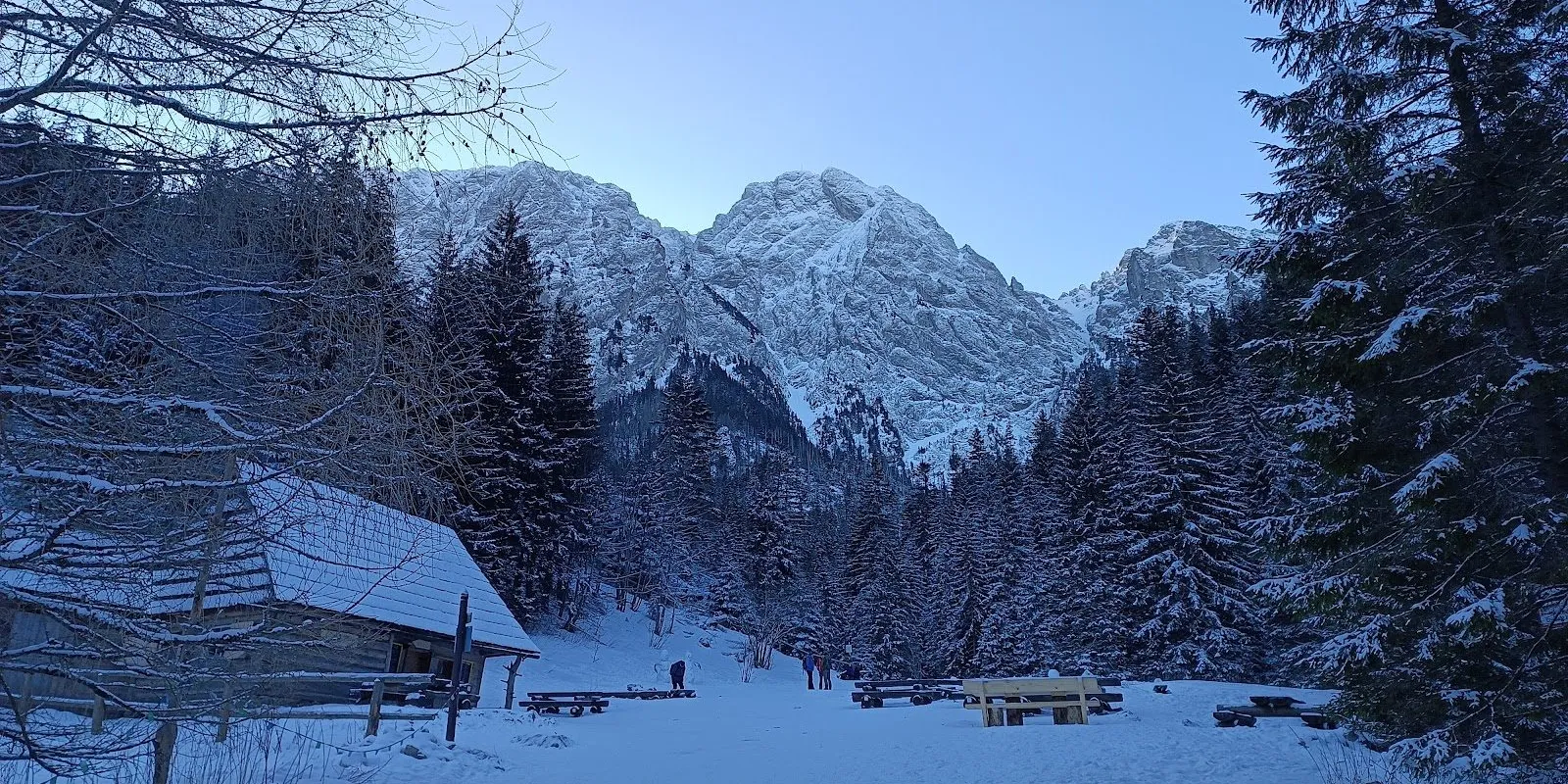
A short yellow trail leads from Polana Strążyska to the fall; the round trip takes about 15 minutes. From Zakopane to the clearing it is a walk of less than an hour. The ground can be wet and slippery, especially after rain or when icy. In the park stay on marked trails. The park does not allow walking the trails at night, from dusk to dawn, all year round; exact hours can change, so check the park's website before you set out. In an emergency call 112 or TOPR (985).
Where it is
Topographic map · © OpenStreetMap contributors
Tours and activities
-
 From €22 per person
Zakopane
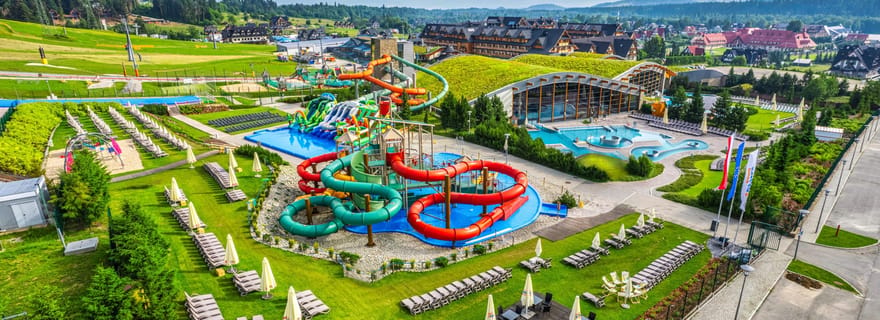
Terma Bania Aquapark Tickets in Białka Tatrzańska
★ 4.6 (132 reviews) · Free cancellation
Duration: 3h30
See availability Details -
 From €5 per person
Zakopane
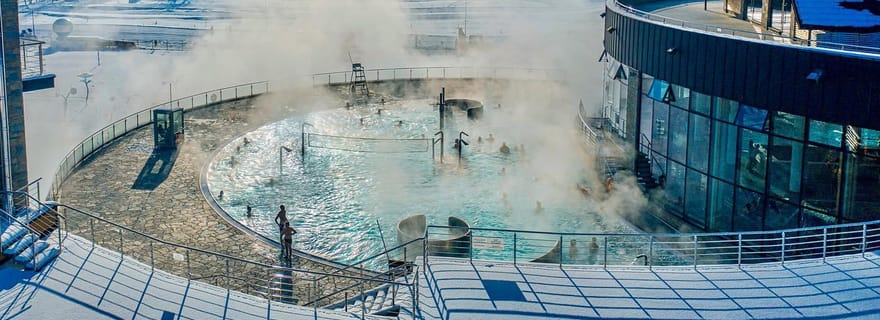
Chochołowskie Thermal Baths Entry with a Personal Host
★ 4.5 (116 reviews) · Free cancellation
Duration: 3–10 h
Guide in:
See availability Details



-
 From €81 per person
Zakopane
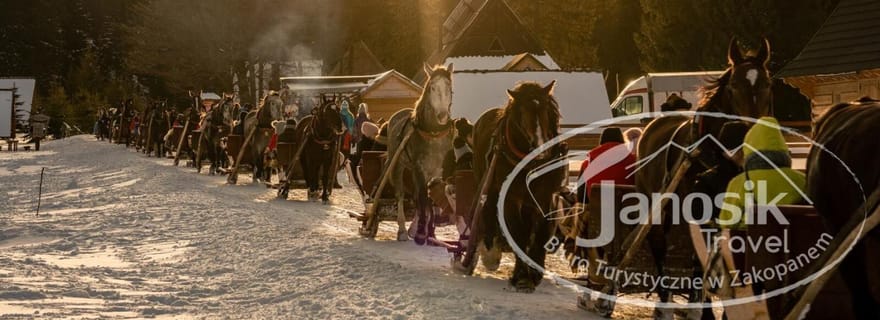
Zakopane: Chochołowska Valley Sleigh Ride with Bonfire
★ 4.4 (58 reviews) · Free cancellation
Duration: 3 h · Hotel pick-up
Guide in:
See availability Details -
 ★ Top rated
From €18 per person
Zakopane
Zakopane and the Tatra Mountains Day Trip from Kraków
★ 4.7 (371 reviews) · Free cancellation
Duration: 5–9 h · Hotel pick-up
Guide in:
See availability Details