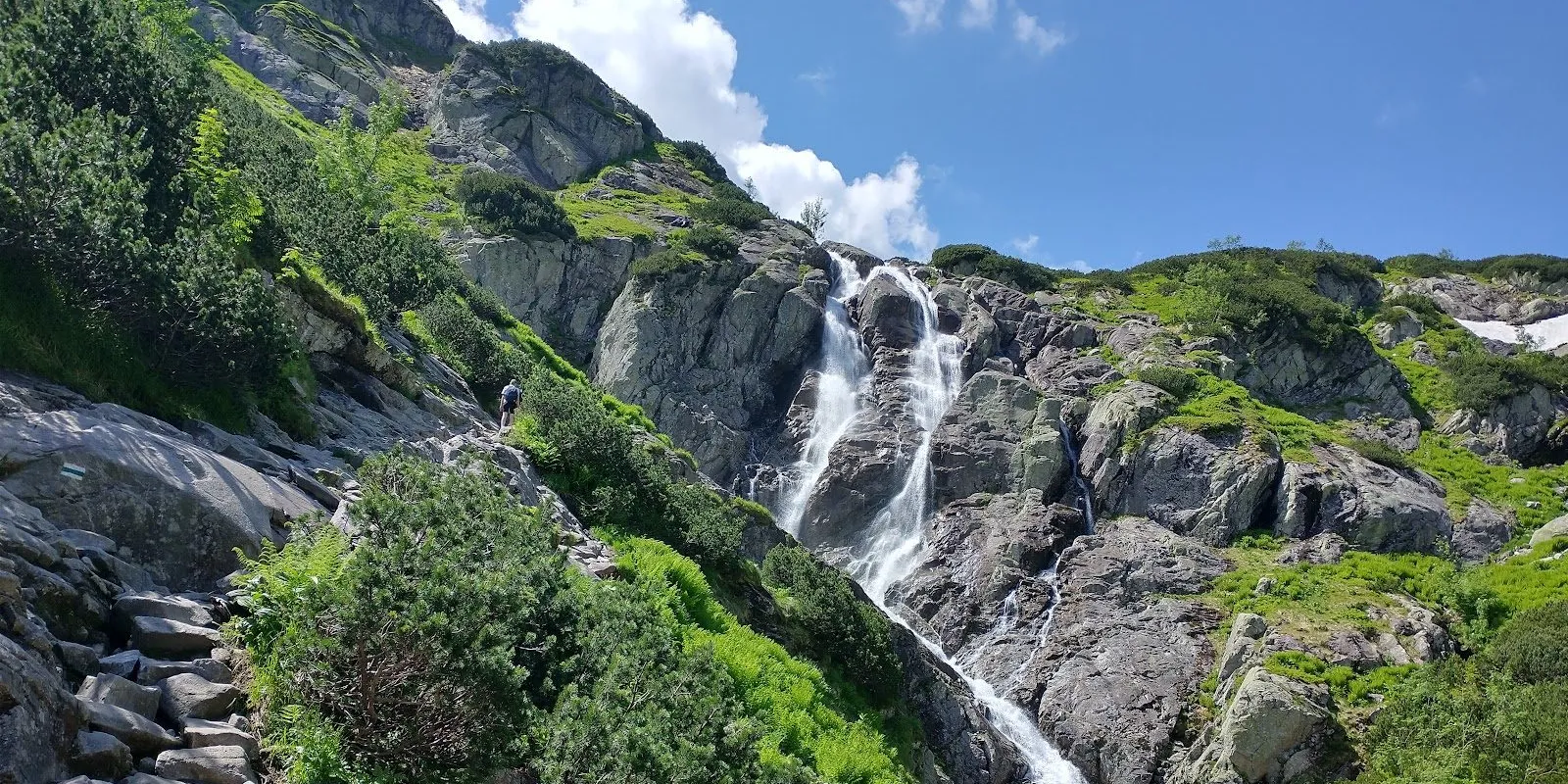
Siklawa is the highest waterfall in Poland and the largest in the Tatras, though not the tallest there.
No Polish waterfall drops from higher than Siklawa: 65–70 m of water over the lip of the Ściana Stawiarska, the wall that separates the Dolina Pięciu Stawów Polskich from the Dolina Roztoki. It is not the tallest in the Tatras, though: the overall record belongs to Ciężka Siklawa in Slovakia, about 100 m high, which no tourist trail reaches. Siklawa is formed by the Roztoka stream, and to understand how it falls you have to look at the lake it comes from.
A glacial lake that sets the flow
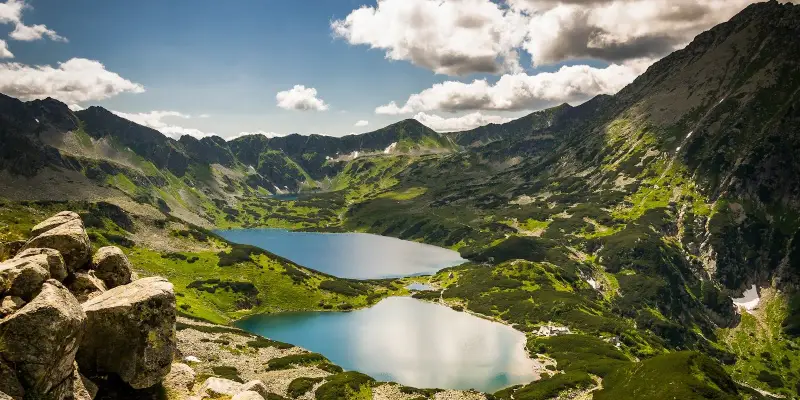
The water leaves Wielki Staw Polski, which at 1665 m is the largest Tatra lake by area (about 34 hectares) and the deepest (about 80 m). Glaciers gouged out its basin in the Pleistocene and a moraine closes it at the lower end; with about 13 million m³ of water it is also the most voluminous lake in the Tatras. The fall is never quite the same twice: it splits into two or three strands, depending on the lake level. After days of rain or in the thaw it is full and loud; in a dry spell it shrinks to thin ribbons on dark rock, and the slope of about 35° makes them slide rather than plunge.
The place drew walkers as early as the beginning of the nineteenth century: Seweryn Goszczyński wrote about it in 1832, and in 1874 Walery Eljasz-Radzikowski called it the most splendid waterfall in the whole Tatras. On sunny days after heavy rain the spray throws up rainbows.
The valley that leads to the wall
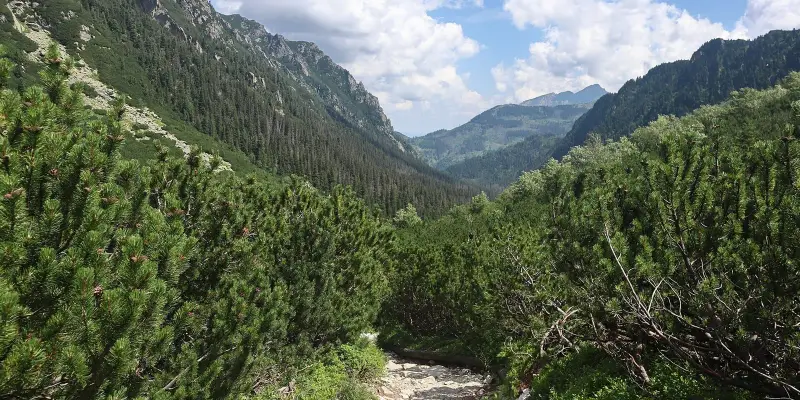
The Dolina Roztoki is about 4.4 km long and covers about 7 km². A glacier carved it into a U-shape along a major tectonic fault, and the Ściana Stawiarska threshold closes it at the top. Spruce forest climbs to about 1370 m, then gives way to Swiss stone pine and larch; many of the spruces are more than 300 years old. The whole valley is a strict nature reserve inhabited by red deer, chamois and bears, and three small caves open in it. In the nineteenth century it was visited by, among others, Stanisław Staszic and Ludwik Zejszner. The trail was marked in 1899, and the Wincenty Pol shelter at Stara Roztoka dated from as early as 1876: the climb to Siklawa has been a Tatra classic for over a century. Downstream the Roztoka forms the Wodogrzmoty Mickiewicza falls and, about 1 km further on, joins the Białka.
The Danielki: smooth rock, real danger
The path passes the fall over long stretches of glacier-polished rock called the Danielki. Dry, they are rough slabs; wet or icy, they turn dangerous. The name commemorates the Tatra guide Jan Gąsienica Daniel, who slipped and died here in 1924. What counts is a good sole, a slow pace, and turning back if the surface is covered in ice, even only in patches.
How to visit
Take the green trail that starts at Wodogrzmoty Mickiewicza towards Wielki Staw: about 2 h 05 up and 1 h 40 down. When wet or icy take great care on the Danielki. In winter the green section of the valley may be closed because of avalanche risk, so check before setting out. The park does not allow walking the trails at night, from dusk to dawn, all year round; exact hours can change, so check the park's website before you set out. In an emergency call 112 or TOPR (985).
Where it is
Topographic map · © OpenStreetMap contributors
Tours and activities
-
 From €22 per person
Zakopane
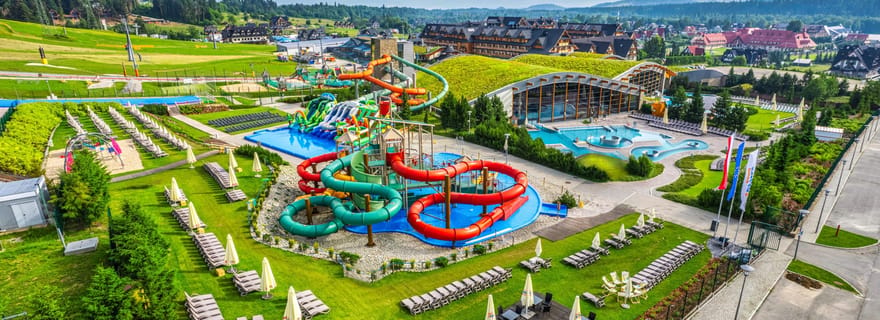
Terma Bania Aquapark Tickets in Białka Tatrzańska
★ 4.6 (132 reviews) · Free cancellation
Duration: 3h30
See availability Details -
 From €5 per person
Zakopane
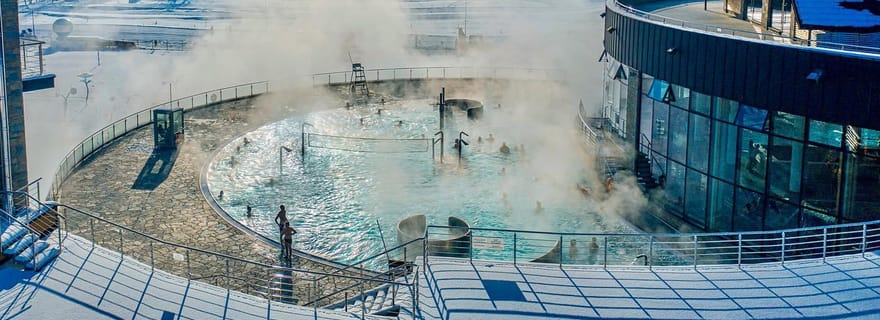
Chochołowskie Thermal Baths Entry with a Personal Host
★ 4.5 (116 reviews) · Free cancellation
Duration: 3–10 h
Guide in:
See availability Details



-
 From €81 per person
Zakopane
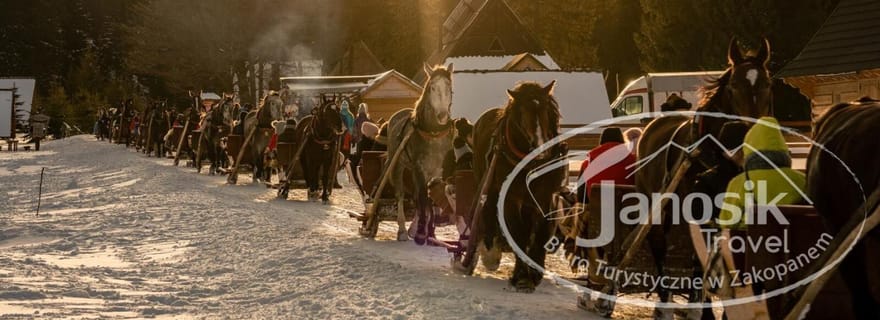
Zakopane: Chochołowska Valley Sleigh Ride with Bonfire
★ 4.4 (58 reviews) · Free cancellation
Duration: 3 h · Hotel pick-up
Guide in:
See availability Details -
 ★ Top rated
From €18 per person
Zakopane
Zakopane and the Tatra Mountains Day Trip from Kraków
★ 4.7 (371 reviews) · Free cancellation
Duration: 5–9 h · Hotel pick-up
Guide in:
See availability Details